-
Ford Movie Cars: Blue Oval Stars of the Silver Screen
Tuesday, Dec 15, 2020
While cars have appeared in movies since the 1920s, cool rides and powerful ponies have been action stars since Steve McQueen raced the hills of Sa …
Show MoreWhile cars have appeared in movies since the 1920s, cool rides and powerful ponies have been action stars since Steve McQueen raced the hills of San Francisco with his 1968 Mustang in “Bullitt.” James Bond’s 1964 Aston Martin DB5 might have beaten it to the screen, but Fords have been movie stars for more than 50 years. Recently, the movie “Ford vs. Ferrari” featured more than 30 different Ford race cars, but the cars in the film were Cobra Replicas from Shelby American and GT40MkIIs from Superformance Cars as well as replica Cobra Daytona Coupes. The 1960 Ford Country Squire in green was genuine.
So let’s get back to real Fords on screen.
We all have our favorite movie cars. Top 10 lists are arbitrary and you may have your own favorites… so send them in … but here are mine:
I like Pony cars, so my tops on the list are Mustangs. Arguably, the most filmed car in movie history is the Ford Mustang. In its 57 years of Pony Car might, the Mustang has starred in more than 500 movies. Here are 32 of them:
Amityville: The Demon (1965-6 Mustang coupe)
Batman and Robin (1964 Shelby 289 Cobra)
Beverly Hills Cop III (1966 Mustang convertible)
Bullitt (1968 Mustang Fastback)
Curse of the Black Widow (1968 Mustang convertible, 1967 Mustang coupe)
Diamonds Are Forever (1971 Ford Mustang Mach 1)
Fast and the Furious: Tokyo Drift (1967 Mustang Fastback)
Fast Food (1966 Mustang coupe)
Fast Lane Blues (1966 Mustang convertible)
Fatal Beauty (1965 Mustang convertible)
Gas Pump Girls (1966 Mustang coupe)
General's Daughter, The (1965 Mustang coupe)
Goldfinger (1964 Mustang)
Gone in 60 Seconds (1967 Shelby GT500)
Grand Prix (1966 Shelby GT350H)
Hitchhiker Vol. 3, The (1971 Mustang Convertible)
Hollywood High (1968 Mustang coupe)
I Am Legend (2007 Mustang Shelby GT500 )
Immortal, The (1968 Shelby GT500KR Mustang)
Implicated (1966 Mustang convertible)
In a Cat's Eye (Classic Mustangs)
In Crowd, The (1966 Mustang coupe)
Incubus, The (1967 Mustang coupe)
Independence Day (1965 Mustang convertible)
J. F. K. (1965 Mustang convertible)
Jocks (1967 Mustang convertible)
John Wick and John Wick 2 (1969 Mustang Mach 1)
Last American Hero, The (1967 Mustang Fastback)
Last Boy Scout (1965 Mustang convertible)
Last Don, The (1965 Mustang coupe)
Transformers (2005 Mustang)
War of the Worlds (1966 Shelby GT350H )
Getting down to cars that made the list …
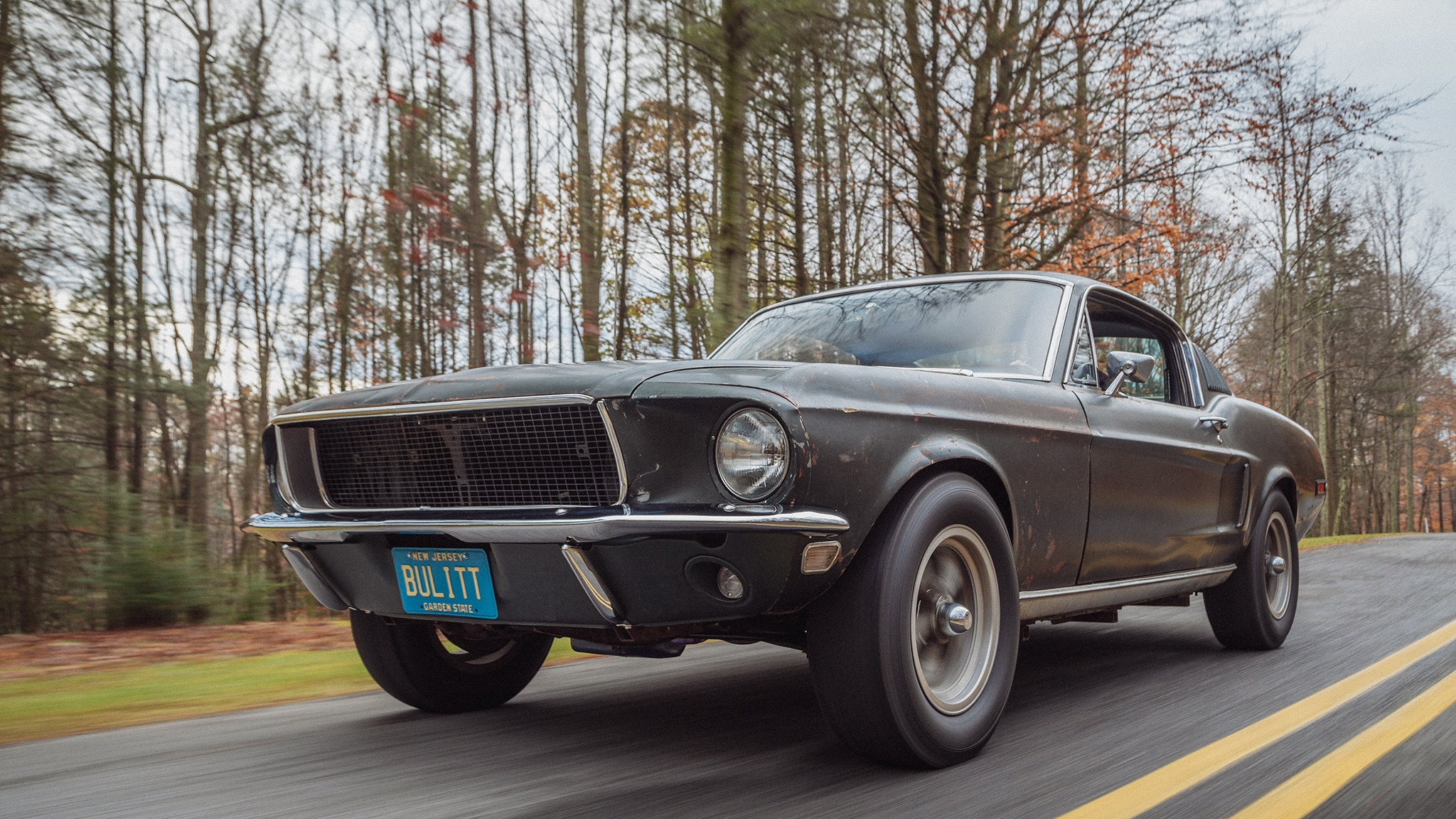 1. “Bullitt “– 1968 Ford Mustang GT390 Fastback: Highland Green, 325 hp, 395 c.i. Camera angles had you feel as though you were in the driver’s seat as Steve McQueen chased the bad guys. One of the two Mustangs used during filming was auctioned for $3.7 million.
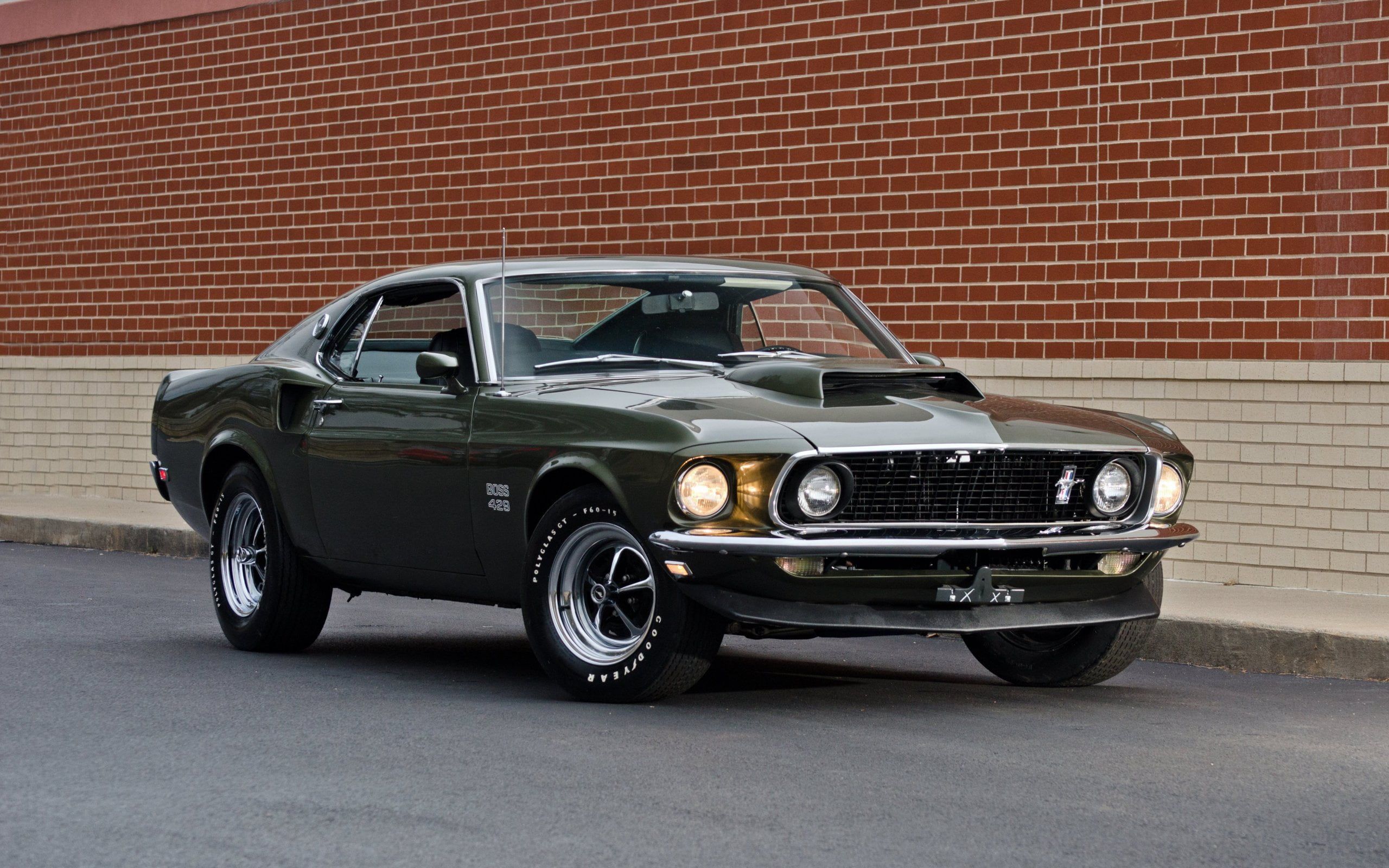 2. “John Wick” -- 1969 Ford Mustang: A Mach 1 that is identified in the movie as a Boss 429, is driven by Keanu Reeves in the stunts. Fishtailing and slamming into other vehicles … the assassin didn’t like anyone messing with his vehicle.
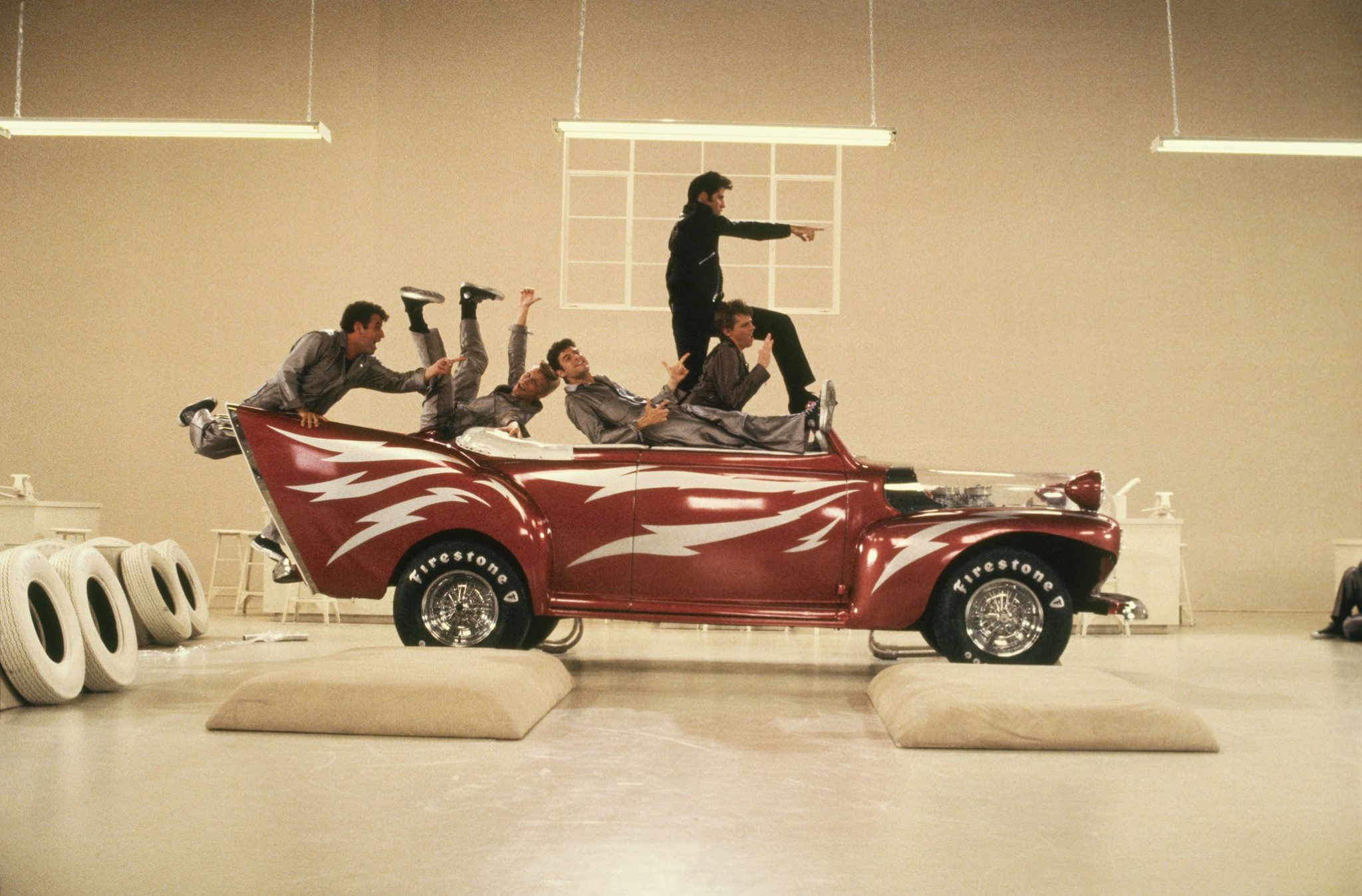 3. “Grease” -- 1948 Ford De Luxe Convertible: Greased Lightning: Chopped fenders, Plexiglas hood, and Kandy Red, John Travolta sings about it. Though he sings of “four on the floor,” this is an automatic.
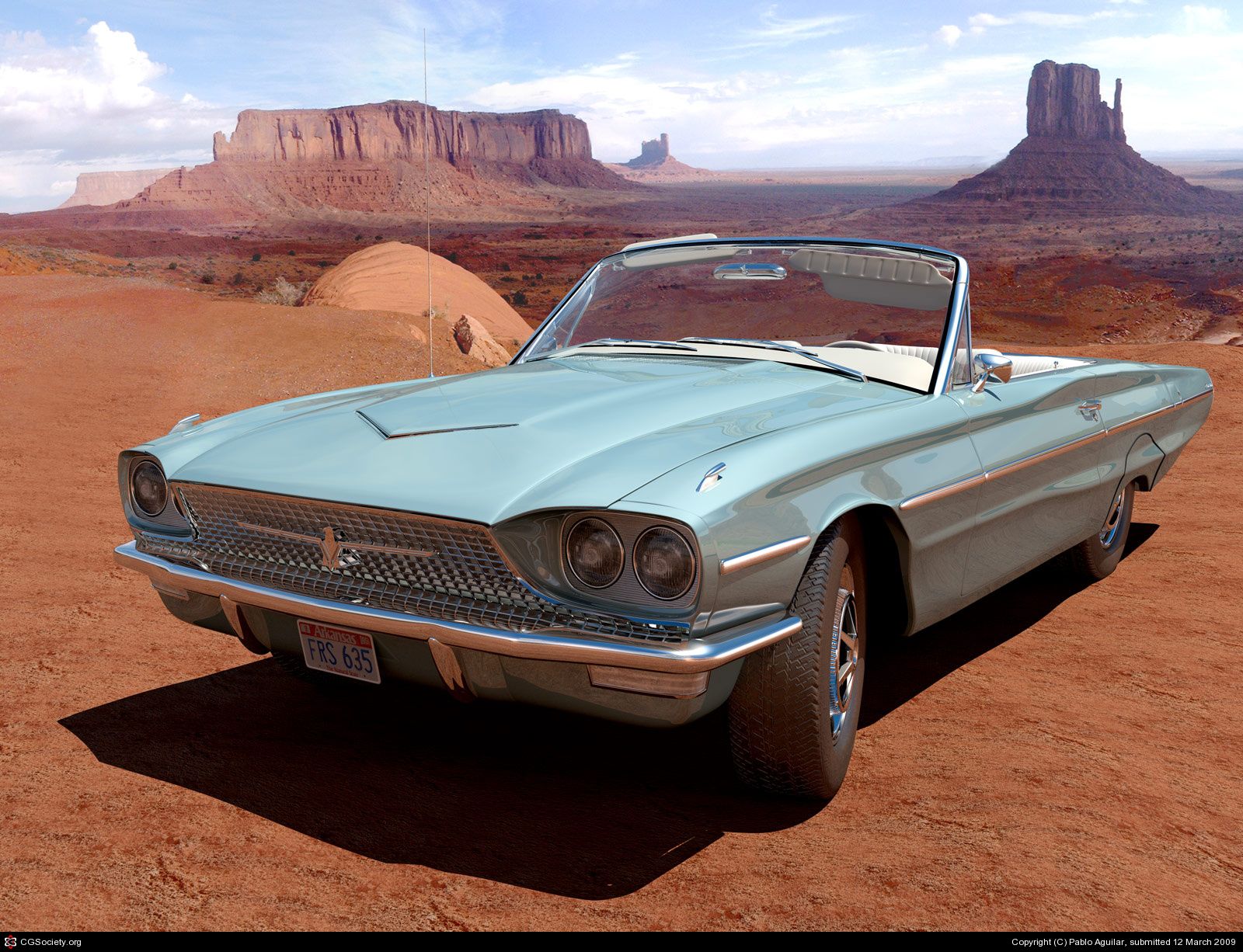 4. “Thelma and Louise” -- 1966 Ford Thunderbird: Two outlaw ladies jump off a cliff and into the Grand Canyon is as hot as the action on the screen. Brad Pitt and Geena Davis signed the armrest and sun visor, respectively after the shoot.
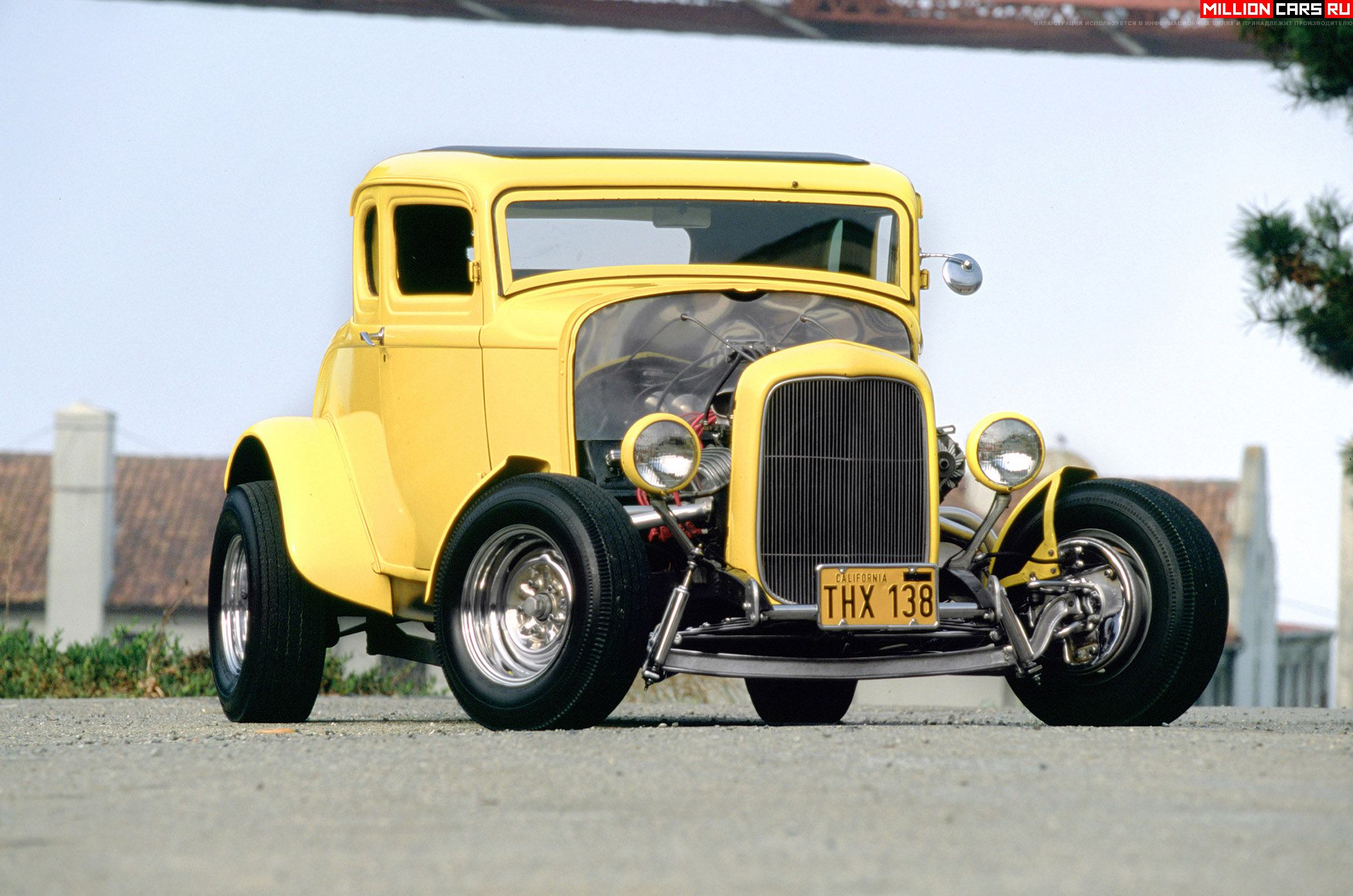 5. “American Graffiti” -- 1932 Ford Coupe: This Deuce Coup is a Canary yellow highboy is powered by a Chevy 327 V-8, and sits a little tall in the rear. In a drag scene, Paul LeMat beats Harrison Ford’s ’55 Chevy off the line.
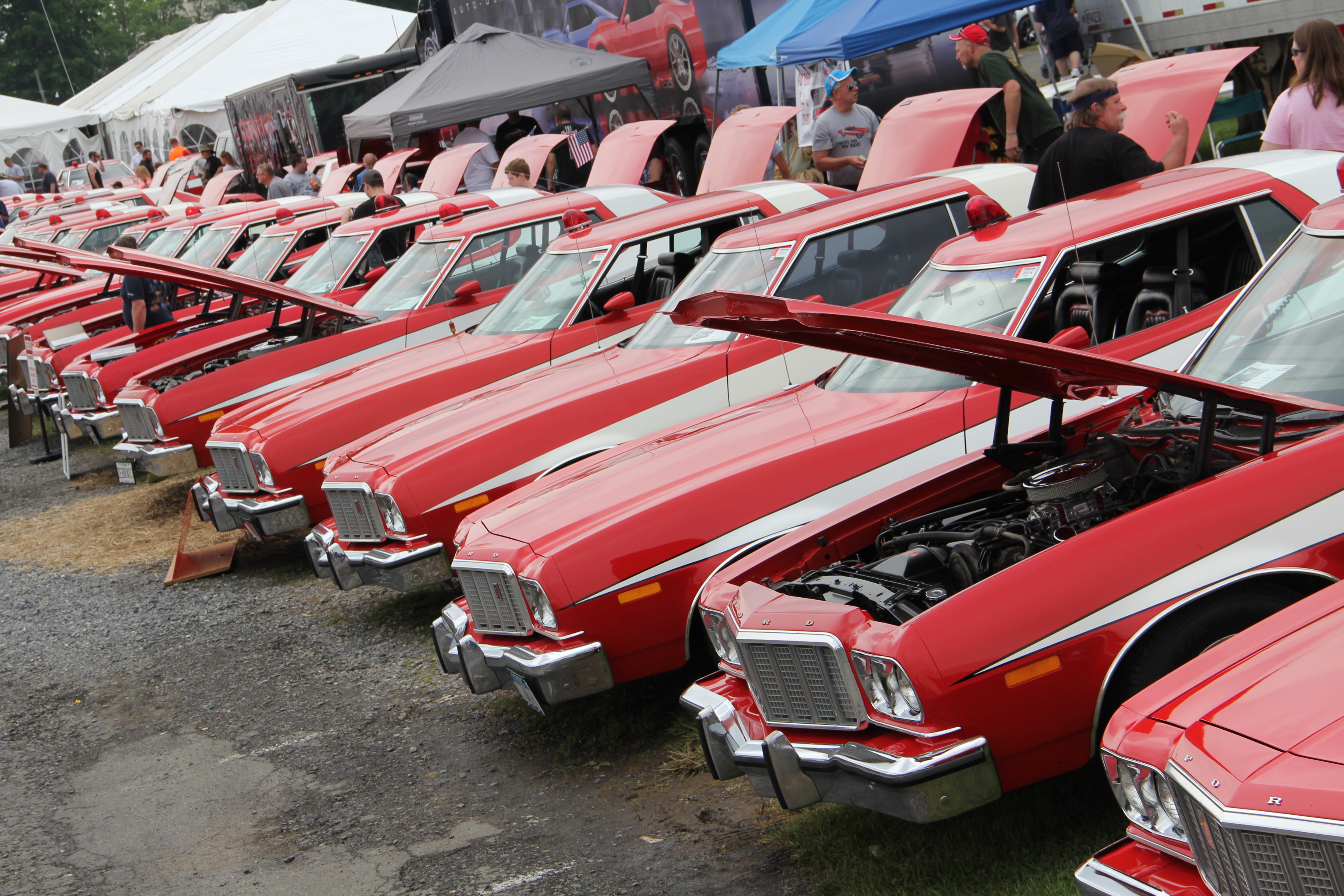 6. “Starsky and Hutch” -- 1976 Gran Torino: Two cars, a 1974 and a ’76 used in the film. An original from the 1970s TV series was used as the template. Mag wheels, custom paint. Led Ford to produce 1300 Starsky and Hutch replicas for sale. Original was 435-hp 360 c.i. beast.
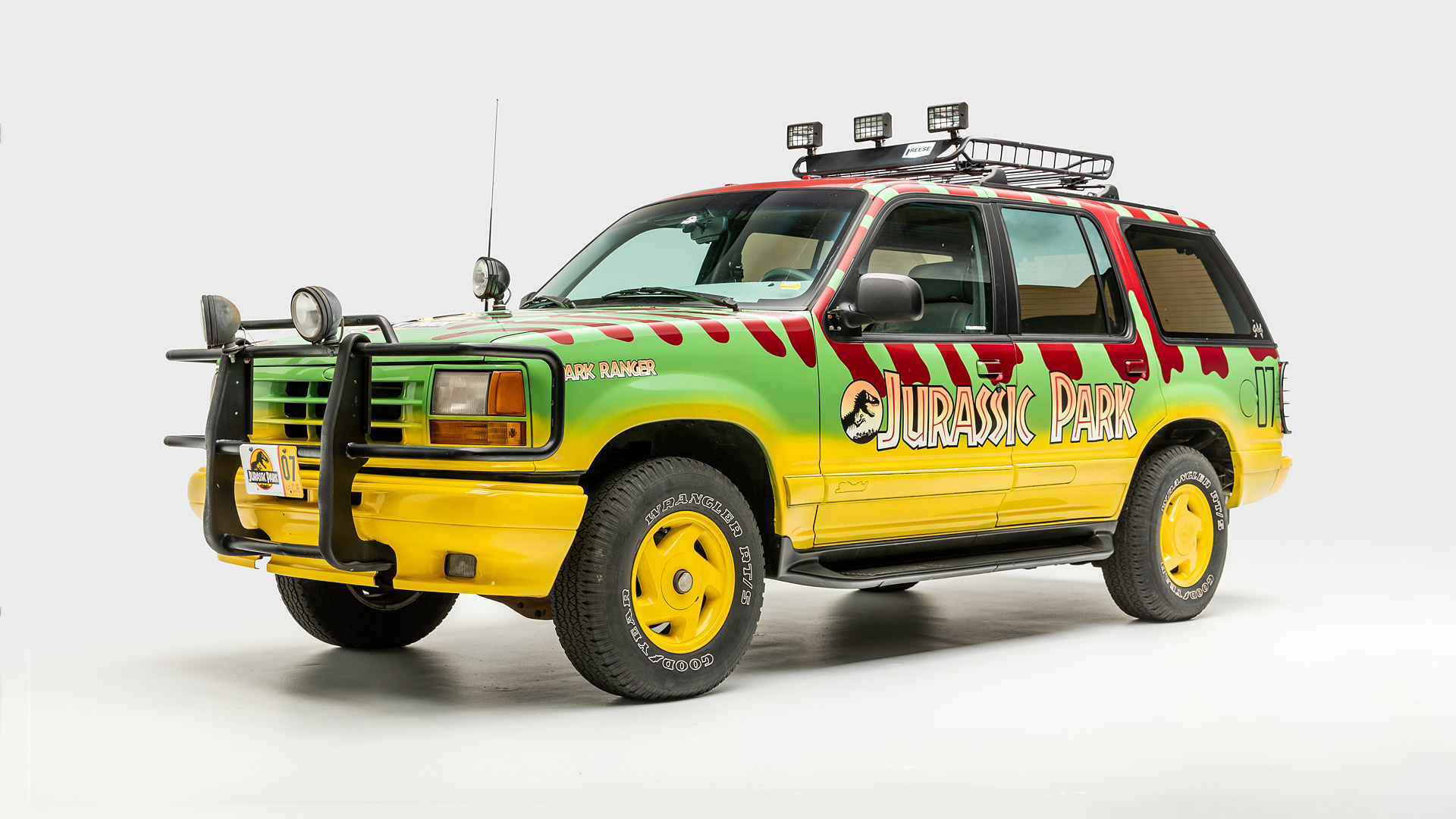 7. “Jurassic Park” -- 1992 Ford Explorer XLT UN46: In the park scenes that took on a T-Rex, the cars that appear to be Jeeps are really Ford Explorers, customized by Hollywood legend George Barris. Hey, it took on a T-Rex.
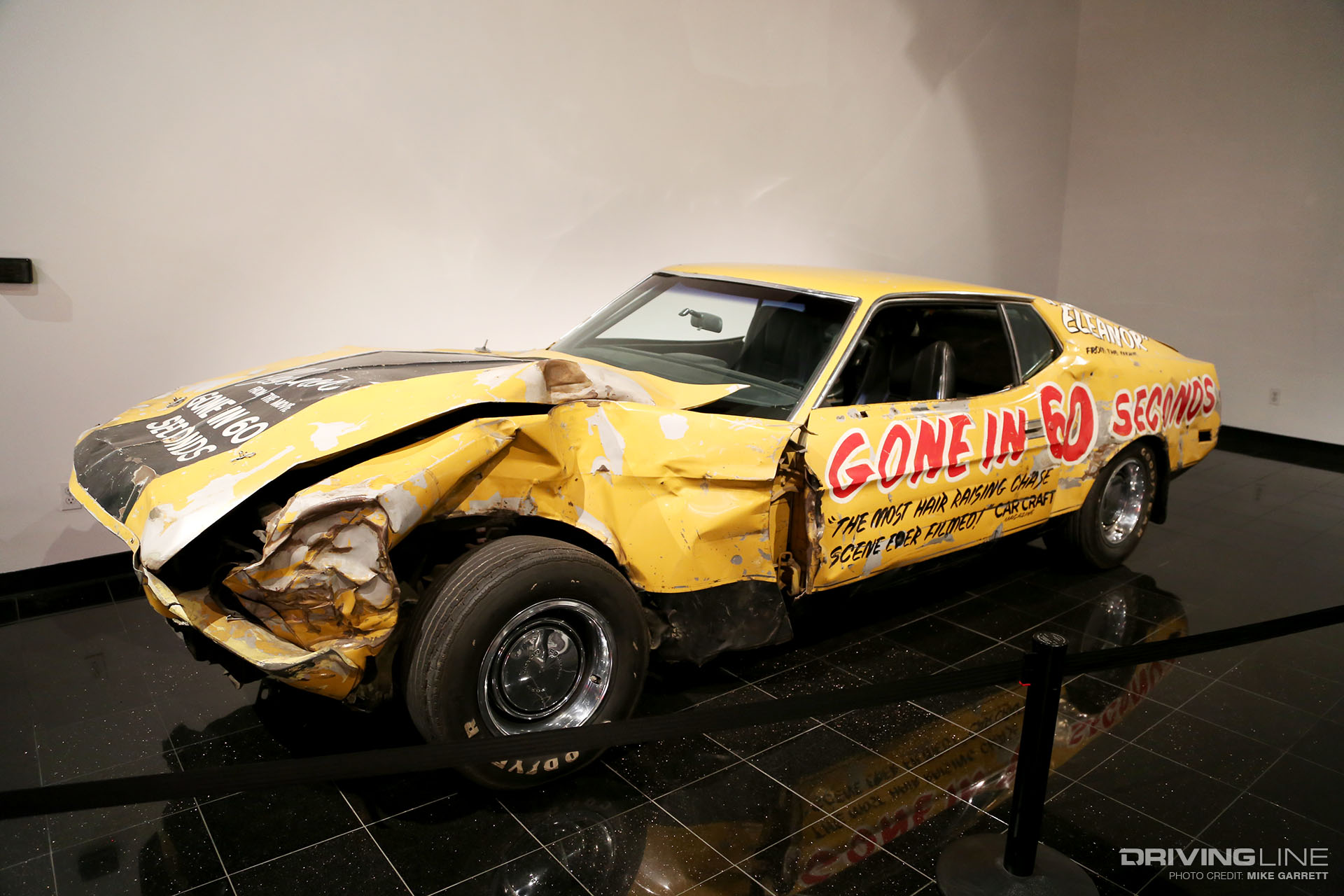 8. “Gone in 60 Seconds 1974: -- 1967 Shelby GT500, Eleanor: Dupont Pepper Grey 1967 Ford Mustang fastback is depicted as a Shelby GT500. Powered by a 400-hp Ford V-8 31 c.i. crate engine. Completes a 128-foot jump.
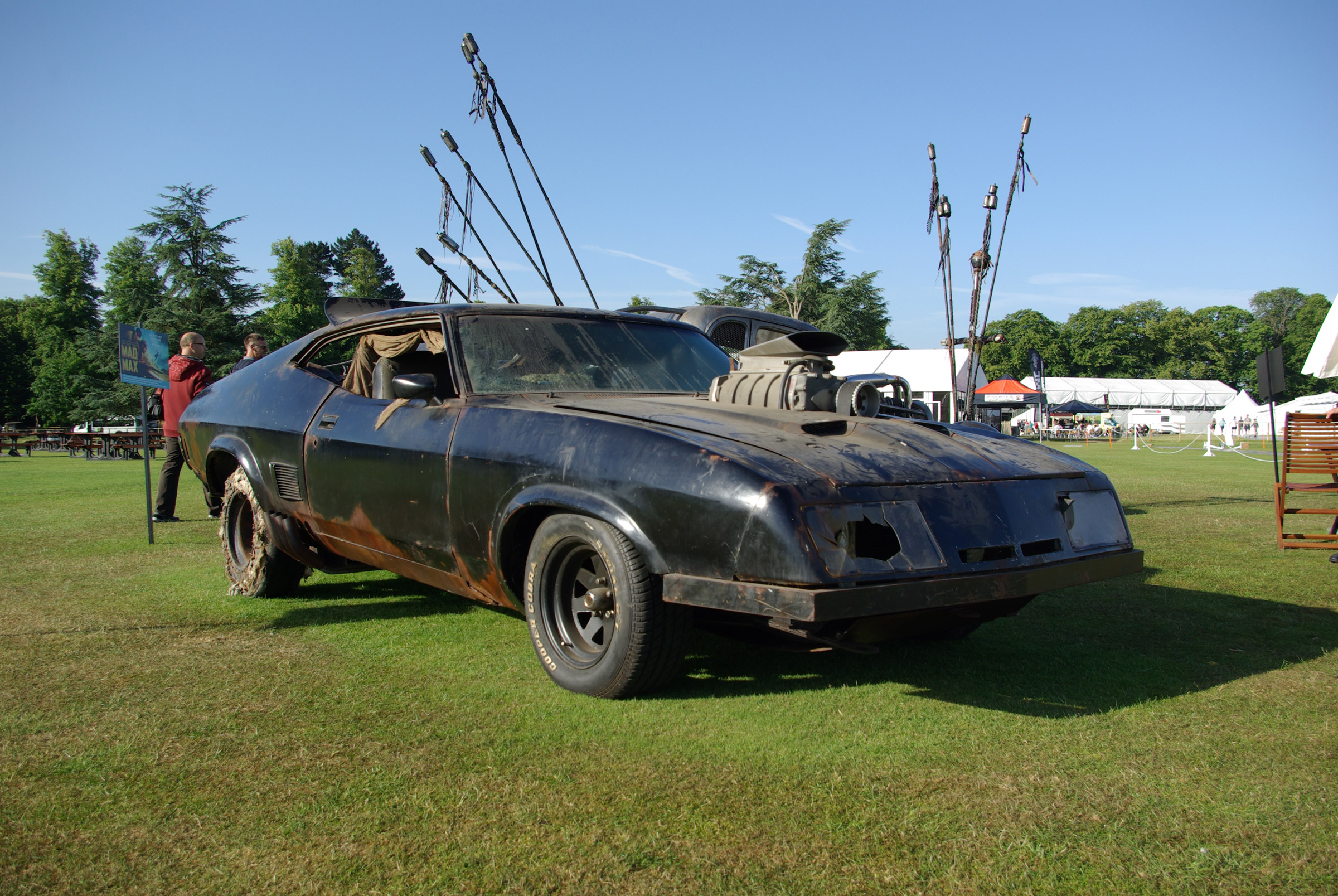 9. “Mad Max” -- 1973 XB GT Ford Falcon: A supercharger (cosmetic and nonfunctional) sticks out of the hood. A 351 c.i. V-8 powered the Interceptor and it featured a new nose on the front end, huge side flares, and fat tire.
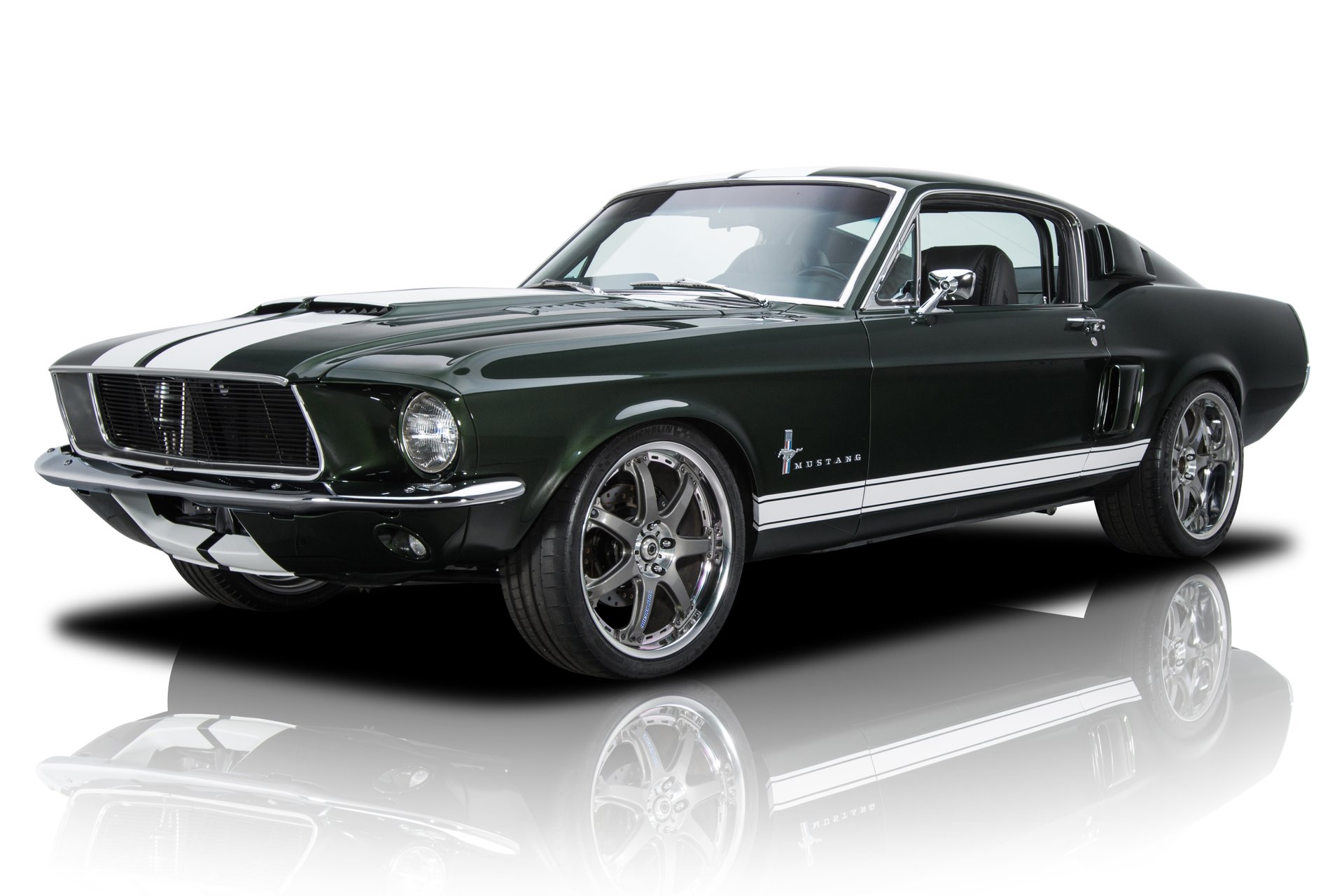 10. “The Fast and the Furious: Tokyo Drift -- 1967 Ford Mustang: Yeah, one more Mustang, but powered by a turbocharged Nissan RB26, engine. Faced bad guys, bullets and action … lots of it.
Honorable mention:
Diamonds Are Forever - 1971 Ford Mustang Mach 1: Driven by Sean Connery as James Bond. With 429-cubic-inch Cobra Jet V8s … tilted on two wheels in one scene.
Take This Job And Shove It / Roadhouse – Bigfoot 1 and 7: Monster truck. Just cool.
Dumb and Dumber -- 1984 Ford Econoline, Dumb and Dumber – The Shaggin’ Wagon: Tan carpet was added inside and out, along with a tail, floppy ears, legs, nose, whiskers, and tongue. The van’s windshield functioned as the driver’s and dog’s eyes, and you had to lift a rear leg to reach the gas cap.
The Big Lebowski -- 1973 Ford Gran Torino: A redesign of the ’72 model with a longer, over-exaggerated front nose. Also used in an episode of The X Files.
National Lampoon’s Vacation -- 1979 Ford LTD Country Squire: Pea-green paint, faux-wood paneling, and eight headlights. Made a 50-foot jump in the desert.
Since cars can be the star of a movie or show and HAVE ALWAYS been recognized as the stars at the Carlisle Ford Nationals, presented by Meguiar's, 2021 brings the stars together with Carlisle Comic-Car-Con. At Carlisle in June you can see your favorite Comic, TV, and Movie cars pop off the pages or out of the screen and into one of the special displays in Building T. Event planners are still gathering cars for the showcase, but if you have one that fits the theme, be sure to visit the event page direct at CarlisleEvents.com to learn more, apply for consideration, purchase tickets and more!
Mike Blake, former editor of KIT CAR magazine, joined Carlisle Events as senior automotive journalist in 2004. He's been a "car guy" since the 1960s and has been writing professionally for about 30 years.
-
Top Cars Around the World: International Royalty in style, Power and Performance
Tuesday, Dec 8, 2020
Every year, it seems that there are a few supercars that stand out from the crowd in styling, horsepower, performance and handling. What makes a ca …
Show MoreEvery year, it seems that there are a few supercars that stand out from the crowd in styling, horsepower, performance and handling. What makes a car royalty is subjective, and grounds for argument, discussion and debate, but there is little dissent that 2021 will be an exciting year full of exhilarating cars. Now for me, America has some very exciting supercars on the market, and Corvettes, Mustangs, Chargers and Camaros, among other muscle cars, are always worth discussing and driving fast and full out. However, for this treatment of the subject, let’s look internationally. And if you have a favorite, or opinions that differ from my list, please send me your picks and we will re-visit the subject with your choices.
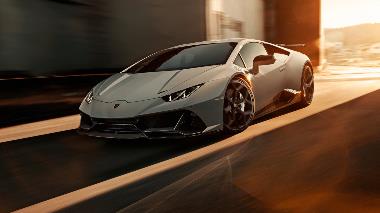
Now, what lands a car on the “Best” list? Is it the car with the most horsepower? If that is the case, then let’s just list McLaren racers in this and look no further than racecars. Exotic styling? Then look no further than the Lamborghini Huracán EVO Spyder and be done with it. But for this view, let’s combine horsepower, performance, handling, styling and the WOW factor – not scientific or quantitative, but worthy of putting the vehicle on the list anyway. And let’s get on track by getting off the track. No factory racecars allowed. And sales don’t put you on this list. Many of these cars are really in the supercar price range, and sales don’t make a vehicle a champion for this list.
Fasten your seatbelts. Here we go. Let’s start with styling. Beauty is in the eye of the beholder, and I’d like to hear and see your choices. While America’s Ford GT certainly is worthy of a long look, I lean toward the exotic. Here are the top-two most artistically chiseled creations on four wheels.
Styling
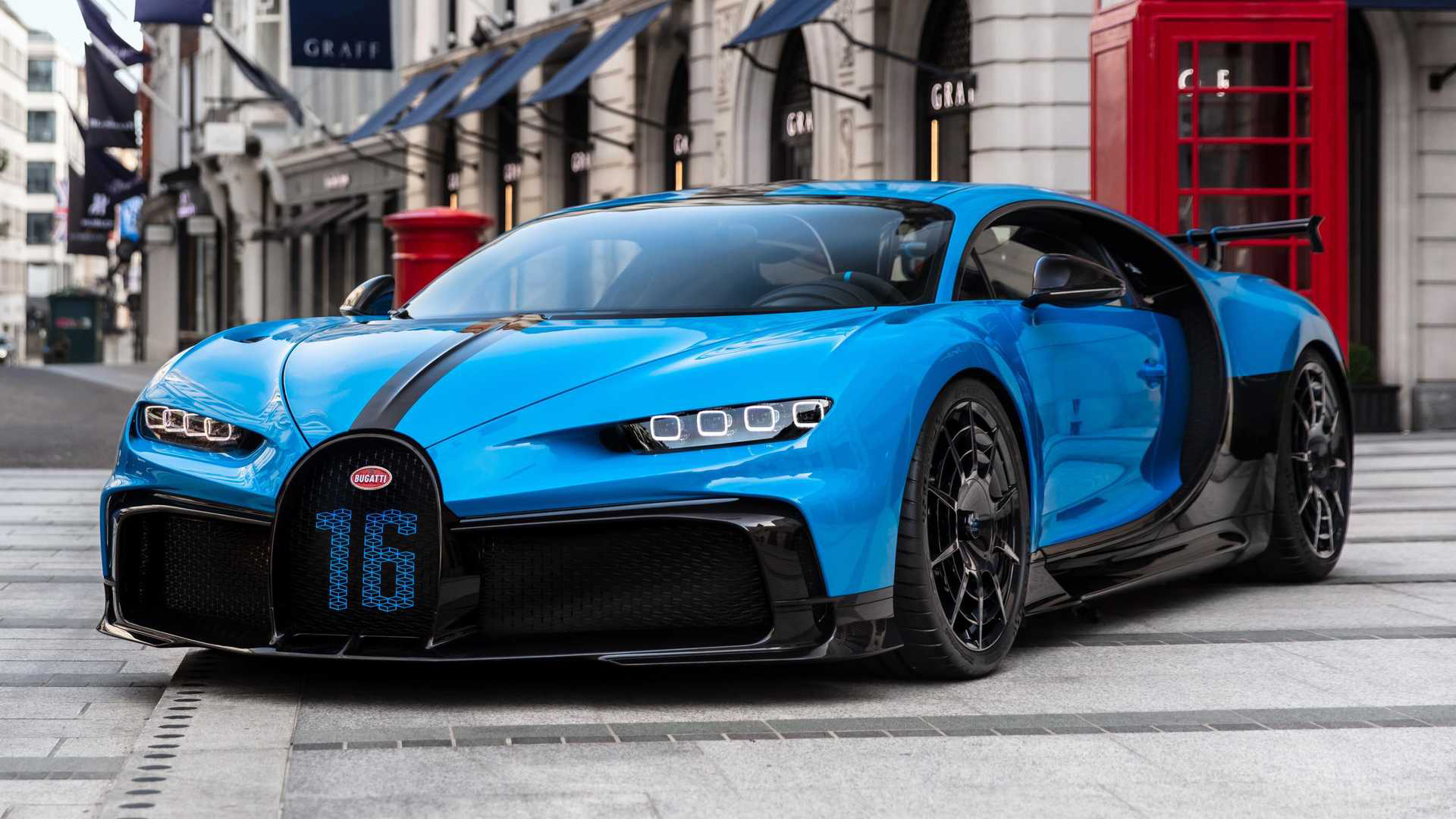
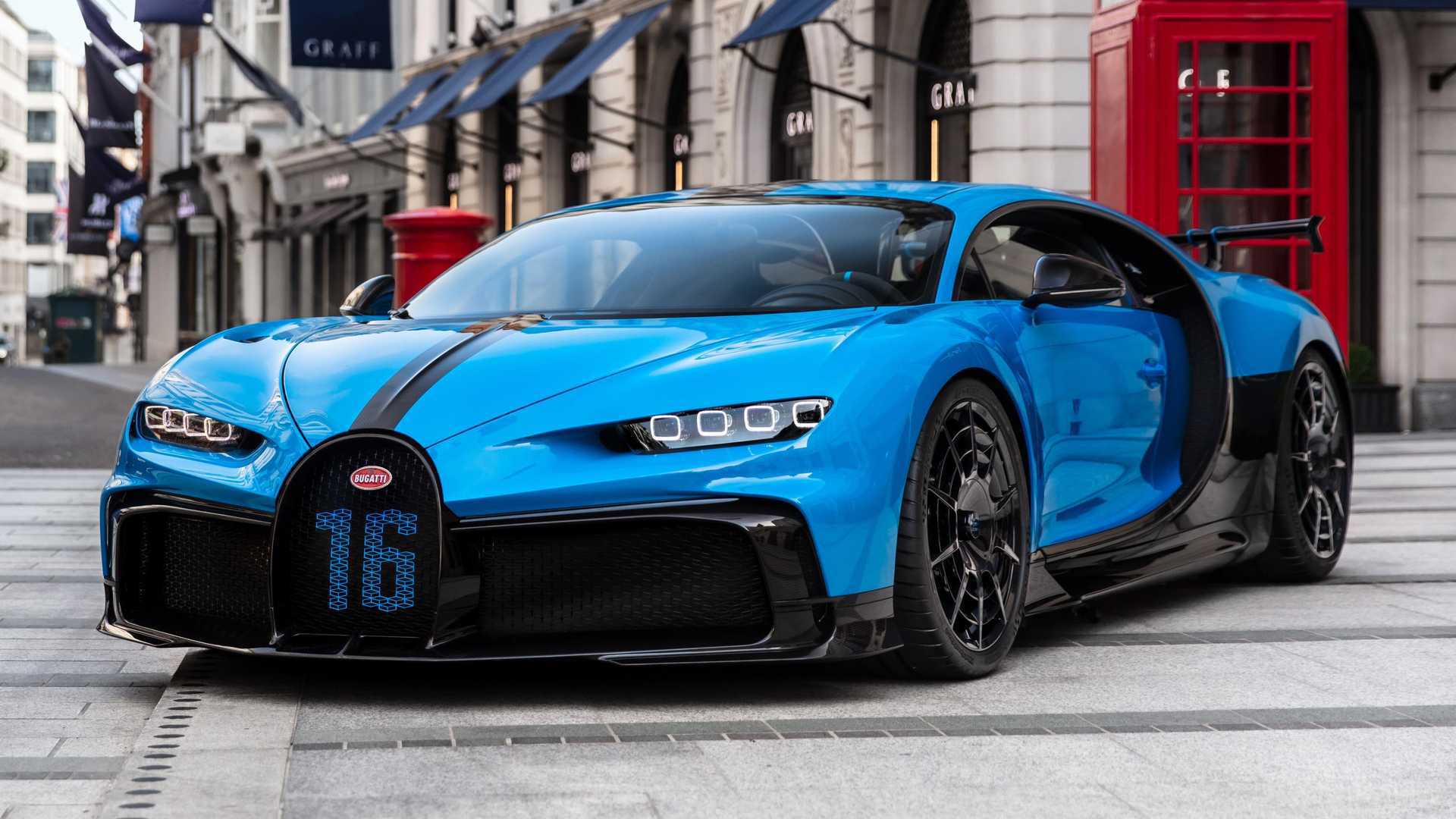 Bugatti Chiron --The Chiron is the fastest, most powerful, and exclusive production super sports car in Bugatti’s history – it also appears in our top hp group. Its sophisticated design, innovative technology, and iconic, performance-oriented form make it a unique masterpiece of art, form and technique, that pushes boundaries beyond imagination. Chiron owes its distinctive character to a family of artists and engineers, and every element of the Chiron is a combination of reminiscence to its history, innovative technology and sculpture. The entire rear end is practically one big mesh grille with taillights stuffed into its void. Each side of the car is dominated by a two-tone C-line that curves around the doors and visually splits the body into two distinct sections. The Chiron costs $3.4 million.
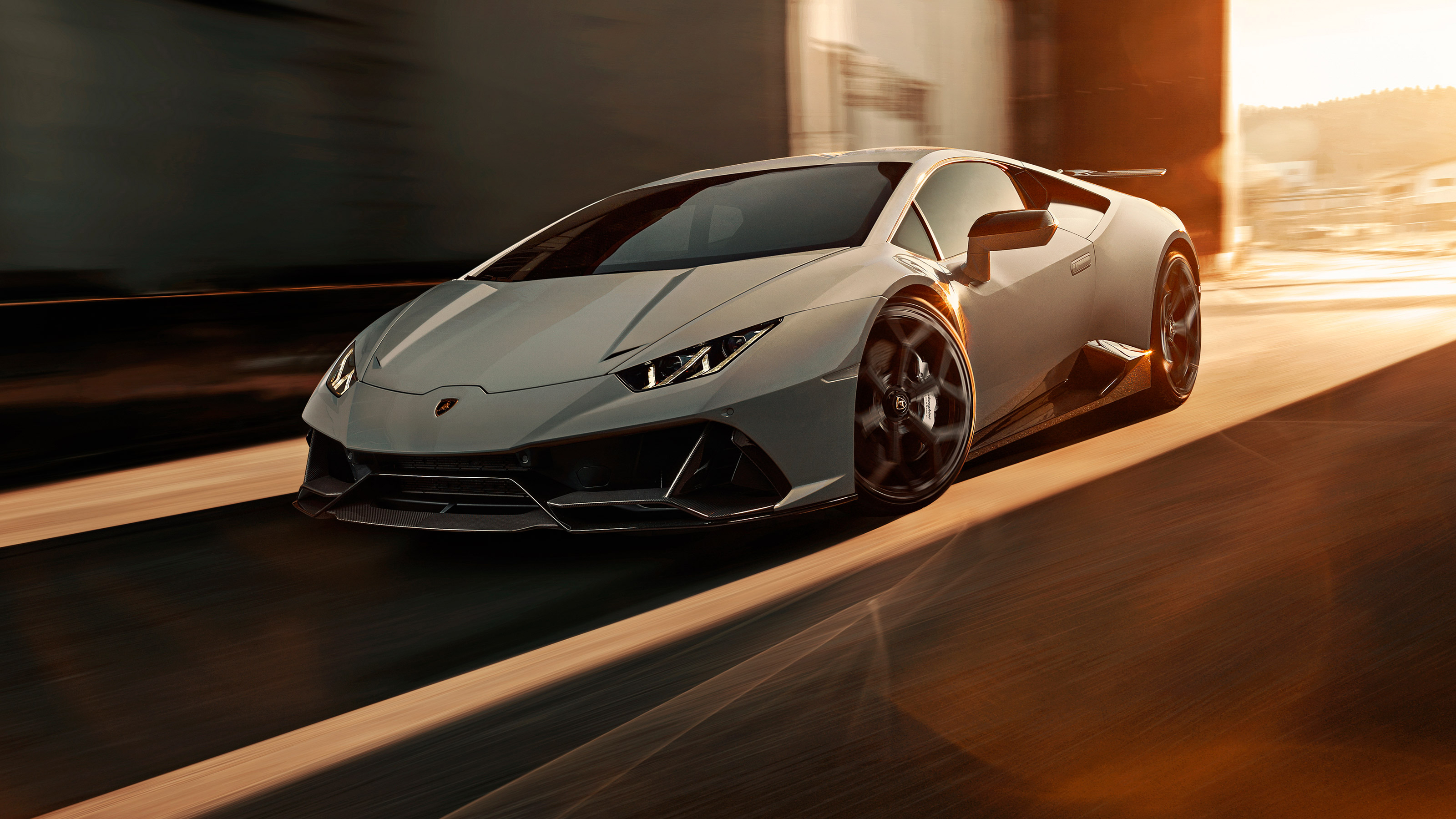
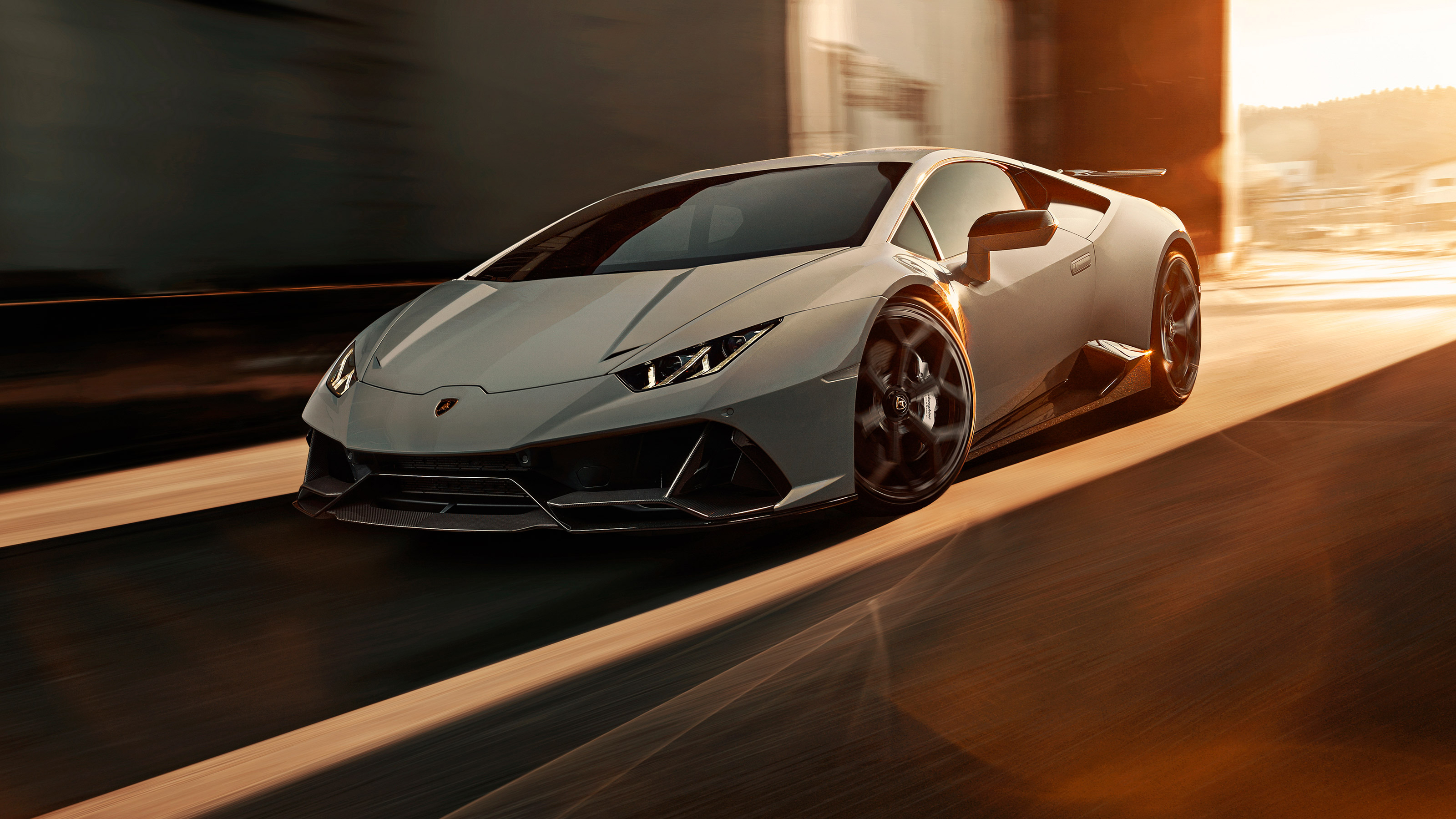 Lamborghini Huracán EVO -- The Huracán EVO Spyder is equipped with a 631-hp V-10 engine, but it makes this list for its look. The Huracán EVO introduces refined aerodynamic solutions while remaining true to the design philosophy that is the hallmark of Lamborghini. The front bumper adopts unmistakable Lamborghini Y-shape stylistic elements, hood lines inspired by the Countach, skirt air intakes reminiscent of the Murciélago, and central high-mounted exhaust tailpipes that recall the highest-performance Lamborghini models of the past. Base price $247,400
Honorable Mention: Ferrari LaFerrari, Aston Martin DBS Superleggera,
Porsche 911 (992), Porsche Taycan, BMW 8-series Gran Coupe and Alfa Romeo Giulia.
OK, let’s move on to power … that certainly fits into the best of the best for car enthusiasts.
Horsepower
Not long ago, 300hp was a muscle number and 400 horses was a rocket. Then 500hp was a peak. The horses have multiplied and stampeded and while American muscle tops out at 807 hp with the 2021 Dodge Challenger SRT Super Stock, it only ranks as fifth best in the world of horsepower.
The top two – well, top three as there is a tie, is headed by:
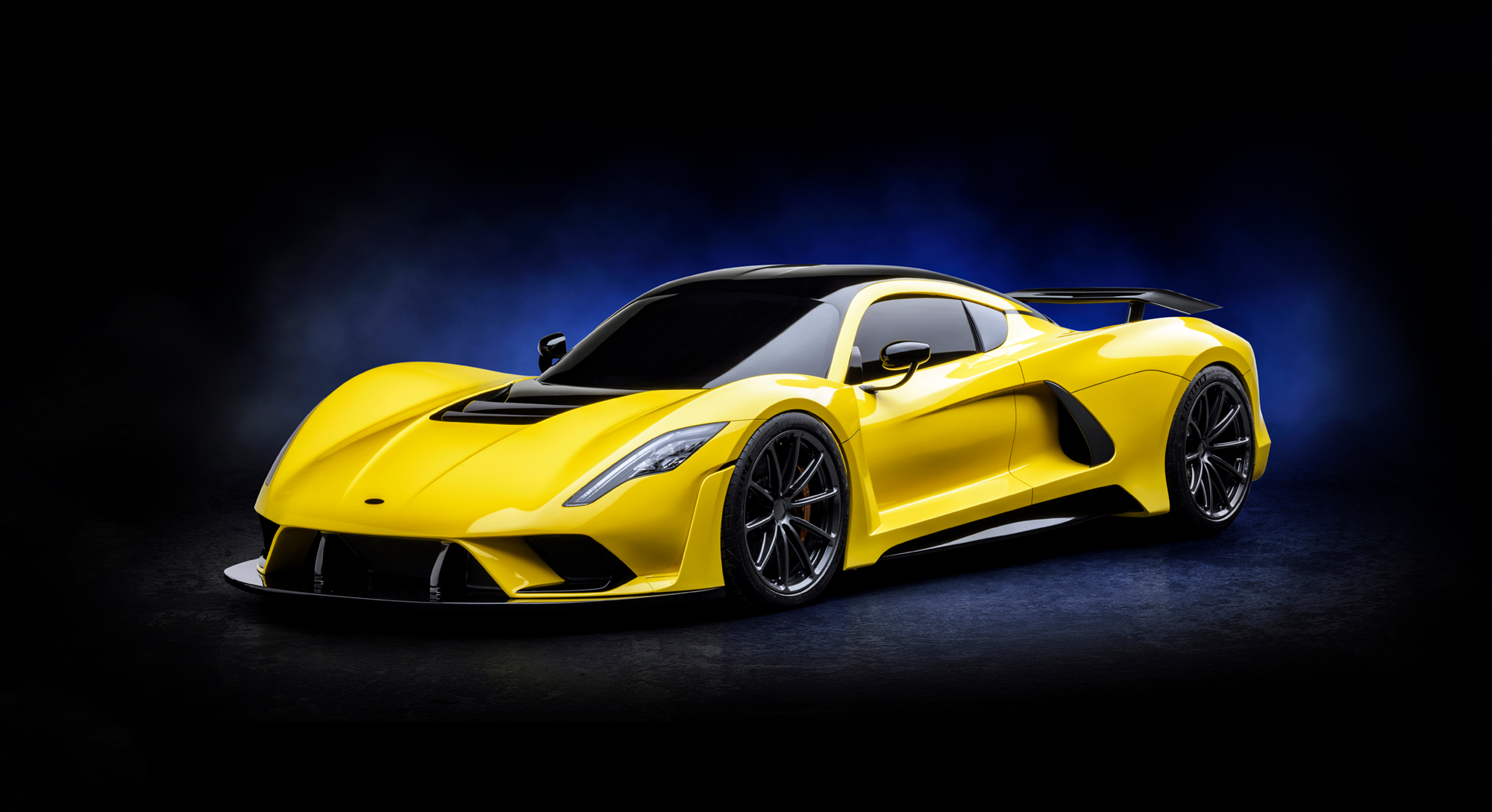 Hennessey Venom F5 -- John Hennessey, created Venom F5 using elements from a Lotus. Venom tops the list with 1600+ bhp from its 8-liter V-8 engine and two turbos, while weighing only 2950 lbs. This car was designed to travel at high speeds of up to 301 mph. Base Price: $1.6 million. There are only 24 in production.
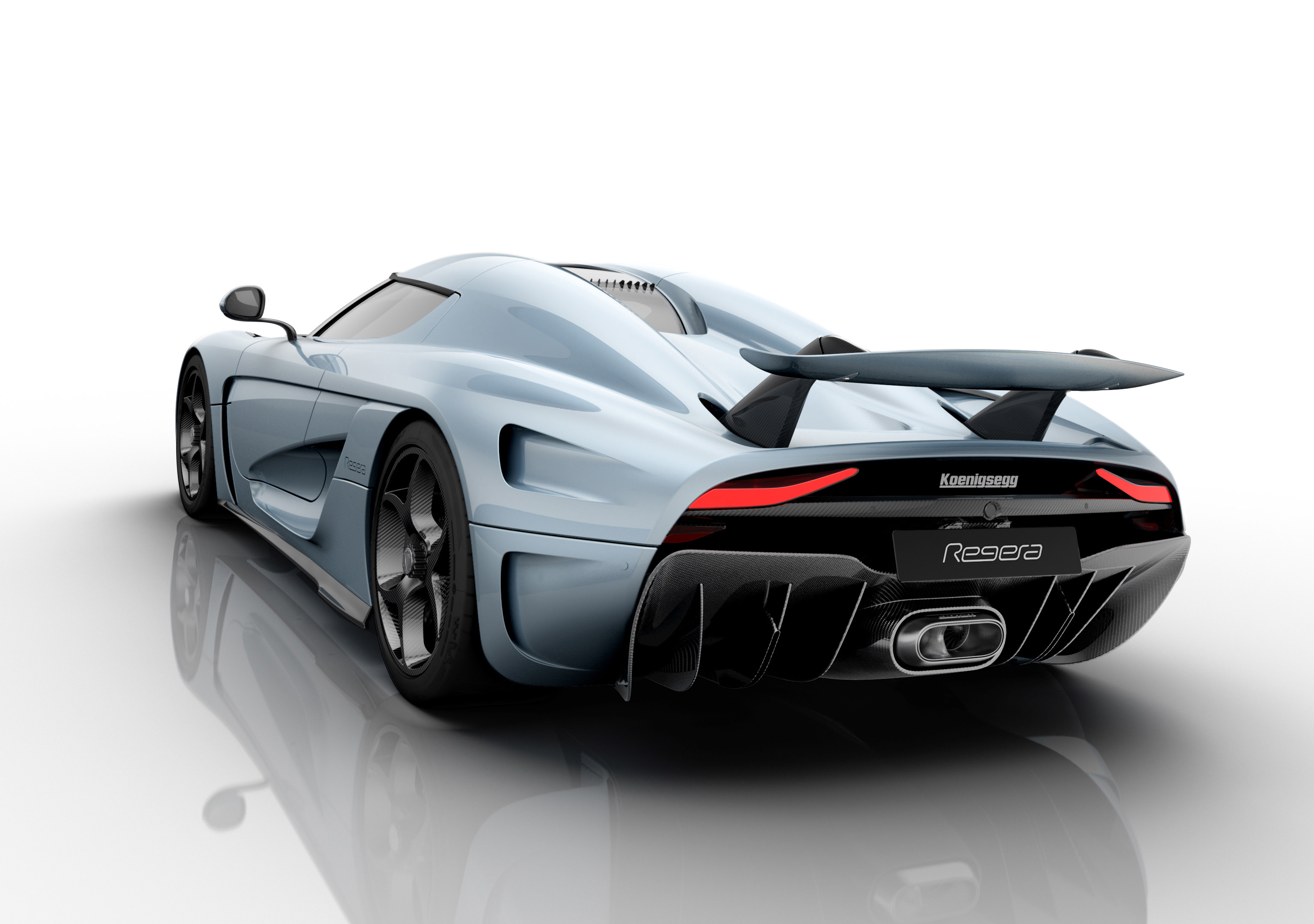 Koenigsegg Regera -- The Koenigsegg Regera uses three electric motors for 670bhp, in addition to its twin turbo 5.0-liter V-8, for 1500 bhp. The hybrid weighs in at 3589 lbs. Priced at $2 million, there are 80 cars in production.
Bugatti Chiron – Showing up again, this style champion comes in between 1479 bhp and 1500 horses with an eight-liter engine and four turbos. Each of these 4WD hypercars spends three days in inspection until the car is up to standards. Base price of $3.4 million.
Honorable mention: NIO EP9 -- 1341 bhp -- base price of $1.48 million, Rimac Concept One -- 1224 hp – base price of $1.3 million, Dodge Challenger SRT Demon -- 808 bhp, price: $86,090. Ford Mustang Shelby GT500SE, 800+ Horsepower – price: $107,080
Best Performance
Performance includes variables including acceleration from a stop and at speed, braking, handling and reliability/predictability, but for this list, let’s rate these with off-the-the acceleration and zero-to-60 mph times.
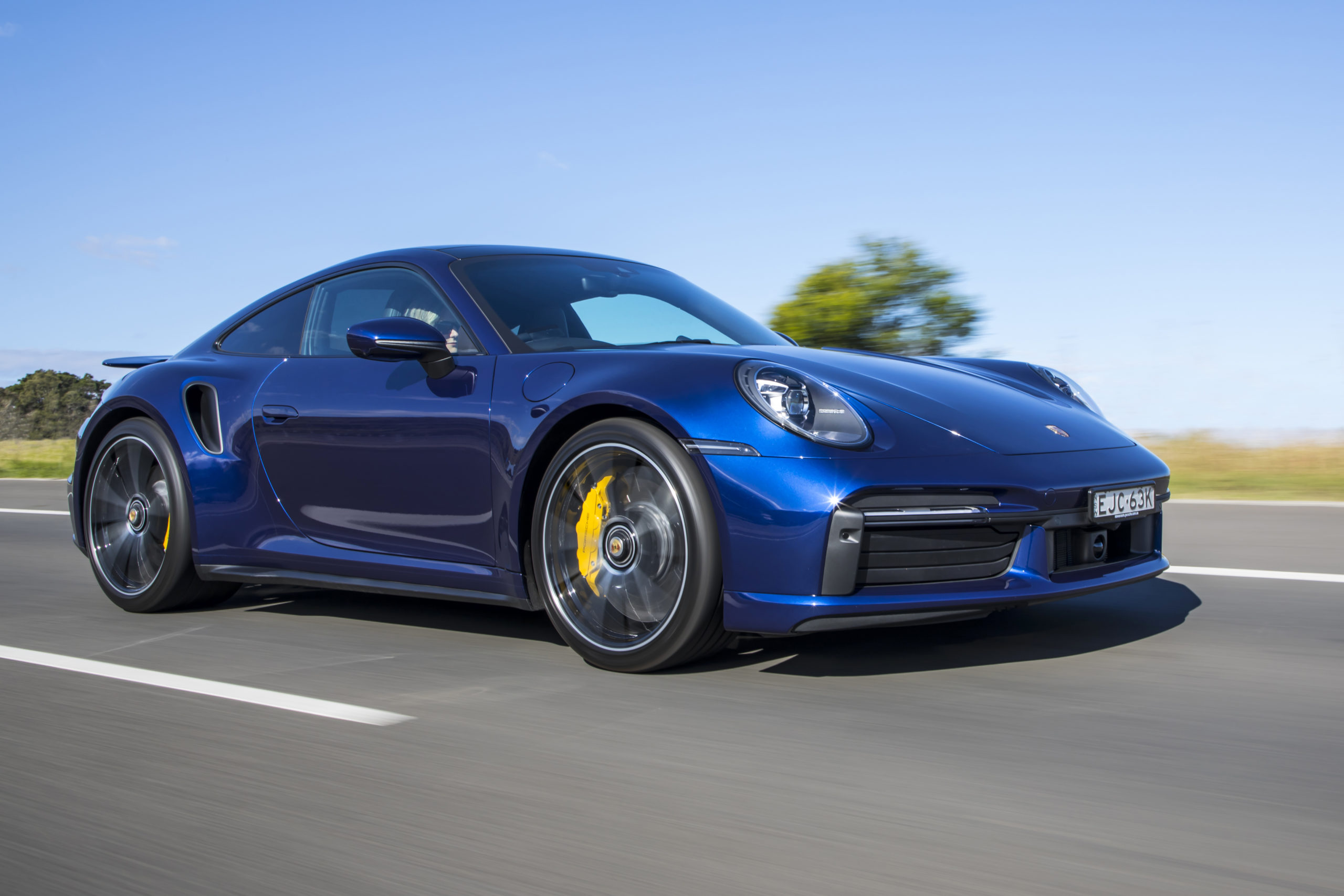 Porsche 911 Turbo S Coupe – A 2.5-second rocket. Powered by a 640-hp 3.7-liter twin-turbo flat-six paired to an eight-speed dual-clutch automatic throwing mountains of torque at all four wheels. Price: $204,850
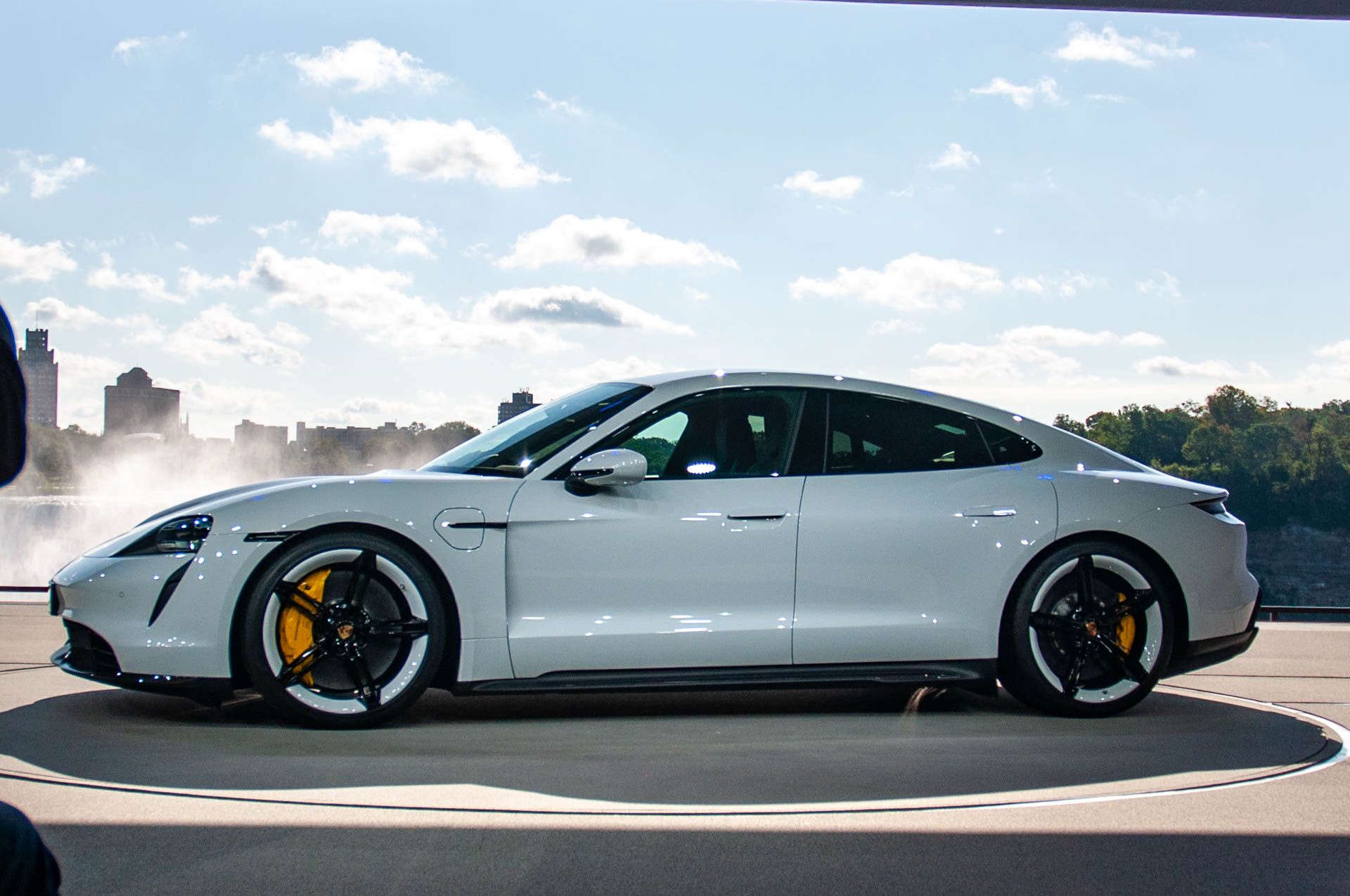 Porsche Taycan Turbo S – Also a 2.5-second sprinter, there is 750hp from two permanent-magnet synchronous AC motors. Priced at: $185,000
Honorable mention: BMW M8 Competition – 2.5 seconds from a 617-hp twin-turbo 4.4-liter V-8. Heavy, at 4251 lbs. Price: $150,000. Tesla Model S – 2.5 seconds from its 778-hp 98.0-kWh battery pack powered motors at each axle. Price $70,000.
Handling
Boy, this category is really subjective. Cornering, stability, true steering, ride-on-rails turns, confidence. I haven’t driven them all, but I took a consensus of automotive writers and experts who generally put the Lotus Elan at the top of the all-time list, and put the following international champions in the mix:
McLaren 600LT, Lotus Elise, Ferrari 4884 Pista, Ferrari LaFerrari, Bugatti Chiron, Mazda MX-5 Miata, Alfa Romeo 4C, BMW Z4, Jaguar F-Type, BMW M2, Mercedes-AMG GT R, Acura Integra Type R, Porsche Cayman, Nissan GTR, Chevrolet Camaro, Corvette C-8, Ford Mustang Shelby GT350R, Toyota GR Supra.
But the two top handlers, according to most, come from the Porsche stable.
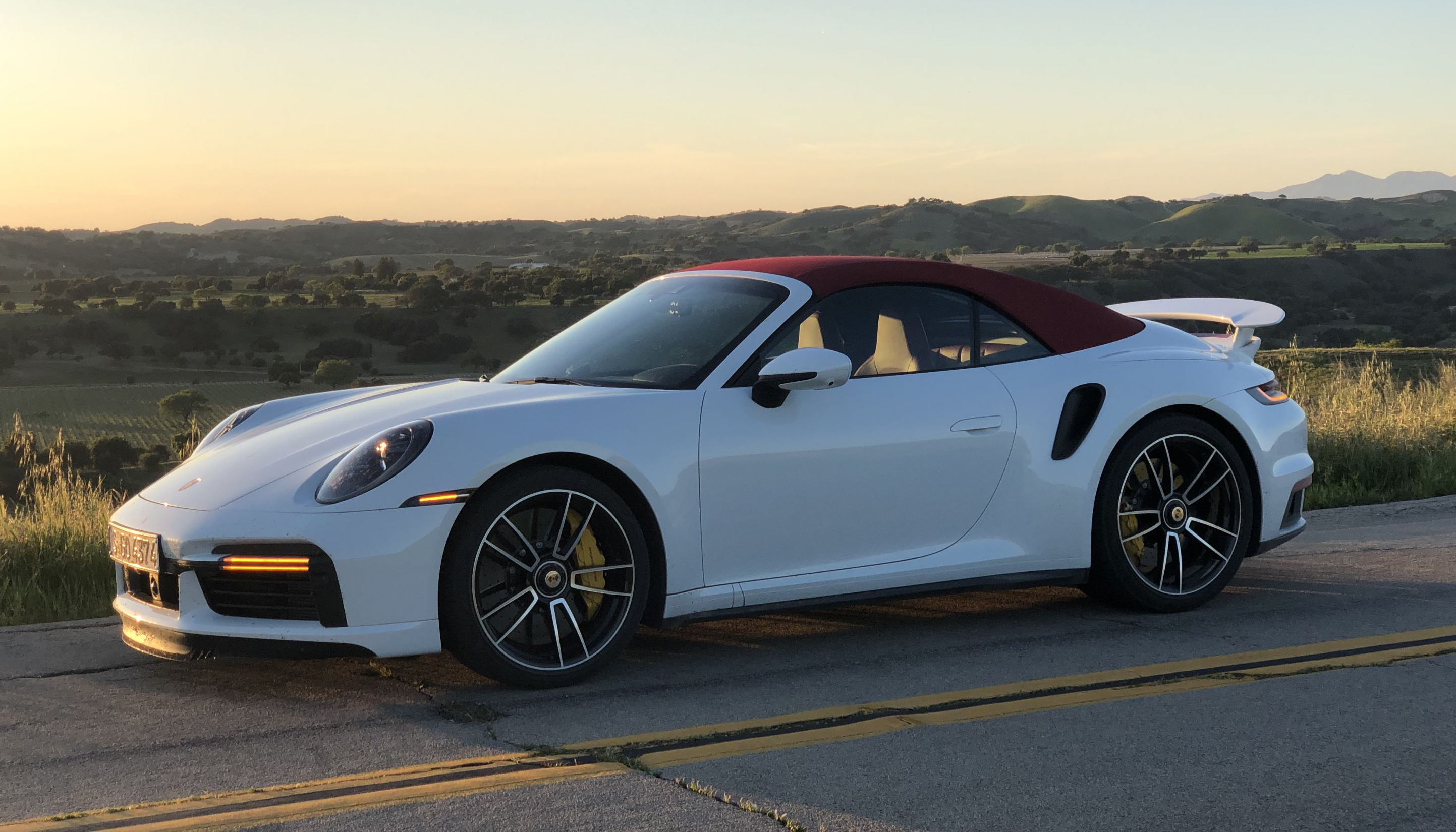 Porsche 911 Turbo S
While other Porsches are track cars, the 911 Turbo S is a street king. With a luxury cabin and high tech, the 911 Turbo S and its 560hp has precise steering, aircraft-worthy braking, agility, response and on-rails movement with road stickiness. Pricing starts at $182,700.
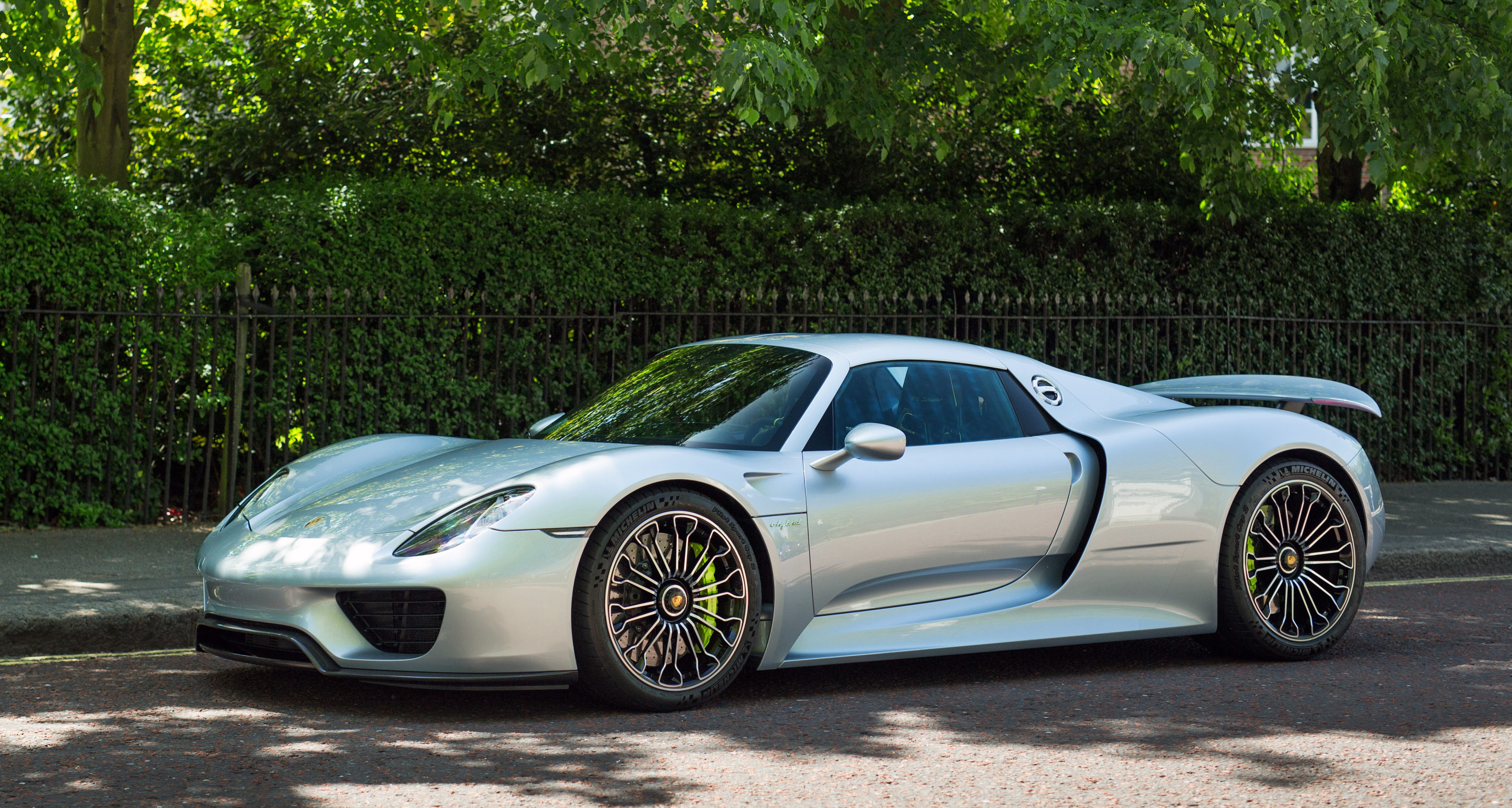 Porsche 918 Spyder
A hybrid sports car, that offers 800 horses, the 918 Spyder is Porsche’s first V8-powered mid-engine road car. It is balanced, corners with auto-cross precision, has road-grip and accelerates and responds with the best of them. Pricing starts at $845,000.
These are our choices … what are yours?
<I> To learn more about the Import & Performance Nationals and its annual international automotive offerings, visit the car show page direct via the Carlisle Events web page. Register to show or purchase spectator tickets too.
Mike Blake, former editor of KIT CAR magazine, joined Carlisle Events as senior automotive journalist in 2004. He's been a "car guy" since the 1960s and has been writing professionally for about 30 years. </I>
-

Automotive Swap Meets: Finding Treasure at Reasonable Prices
Tuesday, Dec 1, 2020
Whether you call it a flea market, swap meet, bazaar, antique mall, antique show, vintage show, or vintage market, an automotive-themed gathering o …
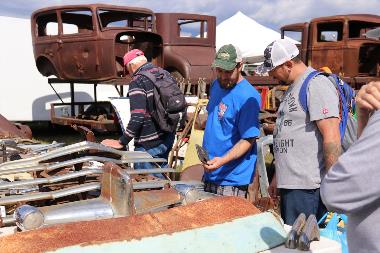
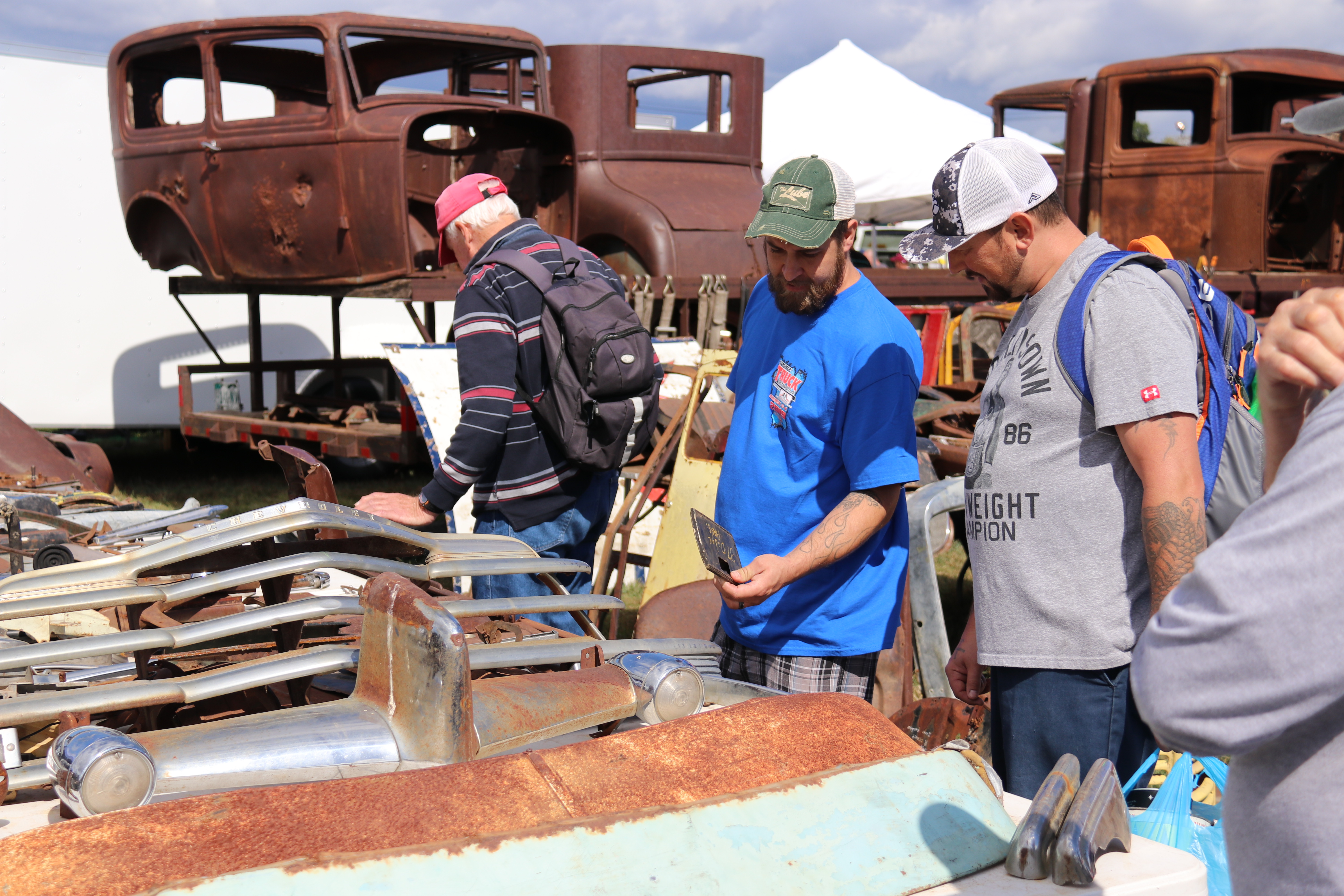
Show MoreWhether you call it a flea market, swap meet, bazaar, antique mall, antique show, vintage show, or vintage market, an automotive-themed gathering of people, cars, parts and accessories is an entertaining way for auto enthusiasts and project craftsmen to find old treasures, the parts they need, or items of interest, at reasonable prices.
Most often called flea markets or swap meets, the term swap meet (with swap meaning “to exchange, barter, or trade”) appears to have been in use since at least the late-1940s and early-1950s, though the concept predates it. A pioneer of the automotive swap meet, the Paramount Swap Meet in Paramount, CA, says it started in 1955, and the Hershey, PA Swap meet was also founded in the 1950s, while the Carlisle, PA Spring and Fall Swap meets began in 1974.
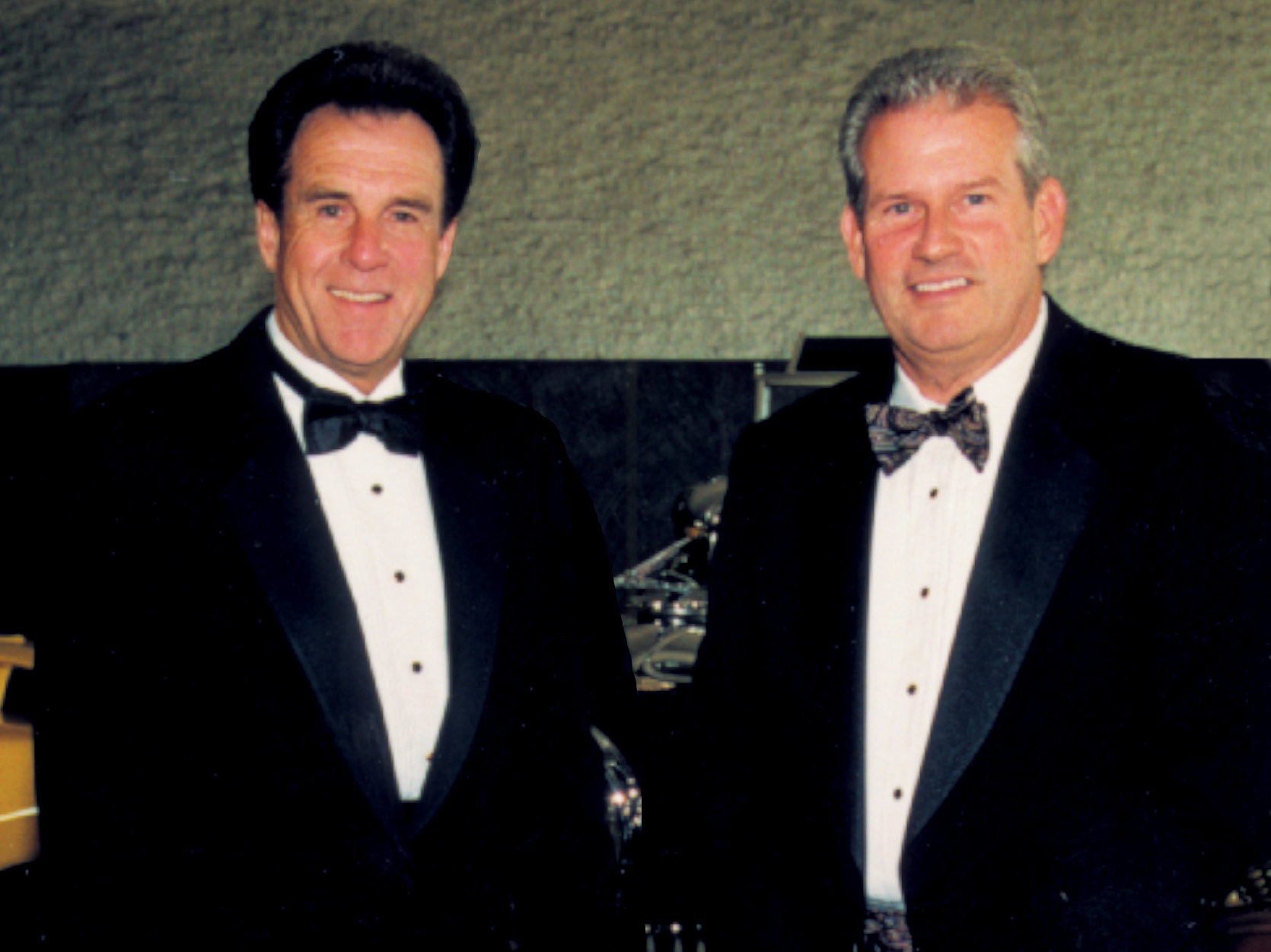 Bill and Chip Miller (no relation), founded Carlisle Events in 1974 for “car guys and girls just like them.” Prior to Carlisle Events' emergence, anyone interested in restoring or showing 1950s‐ or 1960s‐era cars had few options, as events focused on pre‐WWII automobiles. Even counting the pre-War-themed shows, automobile-specific swap meets were rare, sponsored by local car clubs as fundraisers, generally small in size and exclusively attracted local enthusiasts. Limited to these locally sponsored swap meets, the field changed when Chip Miller and Bill Miller Jr., became friends through a mutual interest in cars of the 1950s. After attending whatever car shows and automotive flea markets they could find, they saw like‐minded individuals hunt for parts and accessories to restore their vehicles. A need for these events became obvious to these two men who wanted to open up opportunities for enthusiasts who embraced all cars. The Millers brought later-model cars to the genre on September 26, 1974, on the rented Carlisle Fairgrounds, with “Post War '74”.
 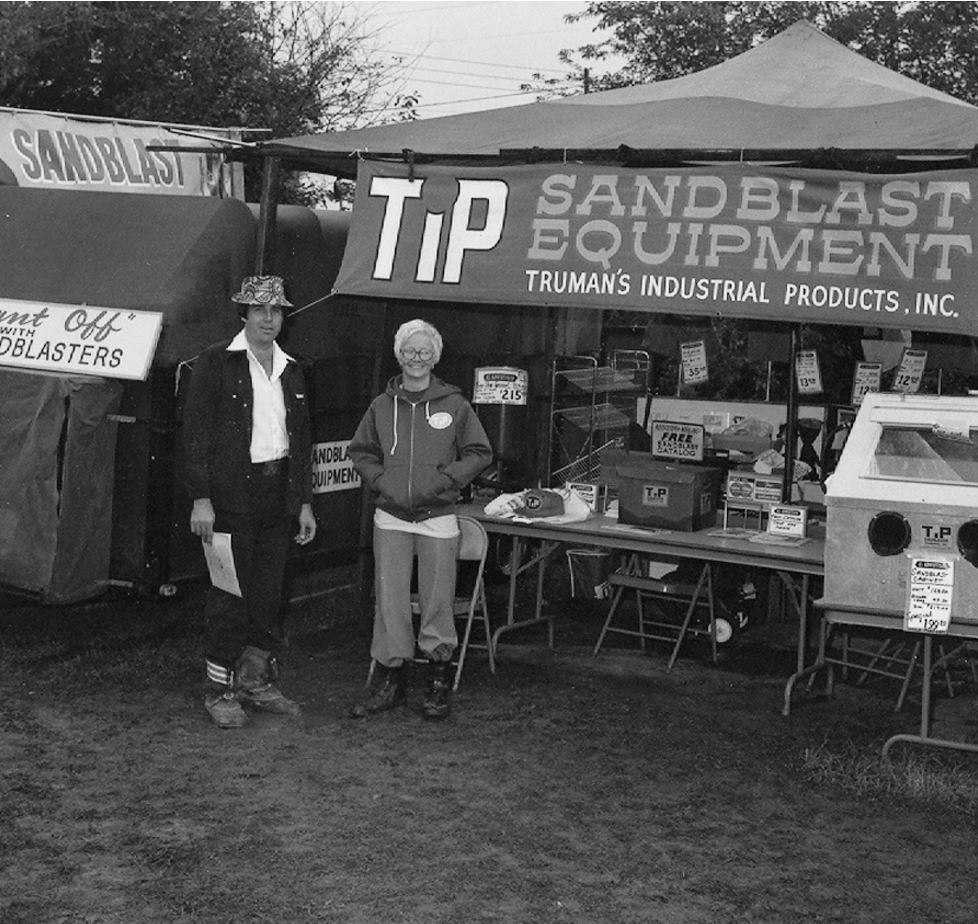 The runaway success of what became known as Fall Carlisle Collector Car Swap Meet & Car Corral led to a similar Spring event in 1977. In short order, they became complete sellouts for vendor and car sale (or “car corral”) spaces.
The value of these events, and the dozens that now take place across America, is finding treasures or hard-to-find needed parts and accessories. Glenn Alt, of the Historical Vehicle Association said, “If you need vintage parts, one great place to start is your local swap meet.” Alt said, “Whether one swap meet is better than another is totally subjective and depends on what the person is looking for. Typically, bigger is better. But at any swap meet, there’s that element of the unknown -- every year bringing different vendors and new surprises, which makes the search for parts exciting and not something you get from shopping in a catalog or online.”
With virtual shopping, on-line marketplaces, the rise of eBay and other virtual parts bazaars, many predicted that it was only a matter of time before swap meets became a thing of the past. But Swap meets haven’t died, nor do they show any sign of fading away. Car people like to see, hold, feel, smell and hear about the items for their projects. They want to talk to other car people up close and talk about their cars, their projects and their love for engines, four wheels, style, performance and history. They want to be one with the parts. Shiny is good, but rust is endearing. So even in a social-distancing world, automotive flea markets and swap meets continue to thrive.
With notable, historic and successful events held in such eclectic locations as Hillsborough, NC; Commerce, GA; Salt Lake City, UT; Nashville, TN; Pleasanton, CA; Des Moines, IA; Columbus, OH; Puyallup, WA; Spokane, WA; Ft. Worth, TX; Scottsdale, AZ; Chickasha, OK; Del Mar, CA, and more, some of the longest-running events are held in Hershey, PA – 65 years and running; Portland, OR – 50 years; and Pomona, CA -- the West Coast’s largest automotive swap meet.
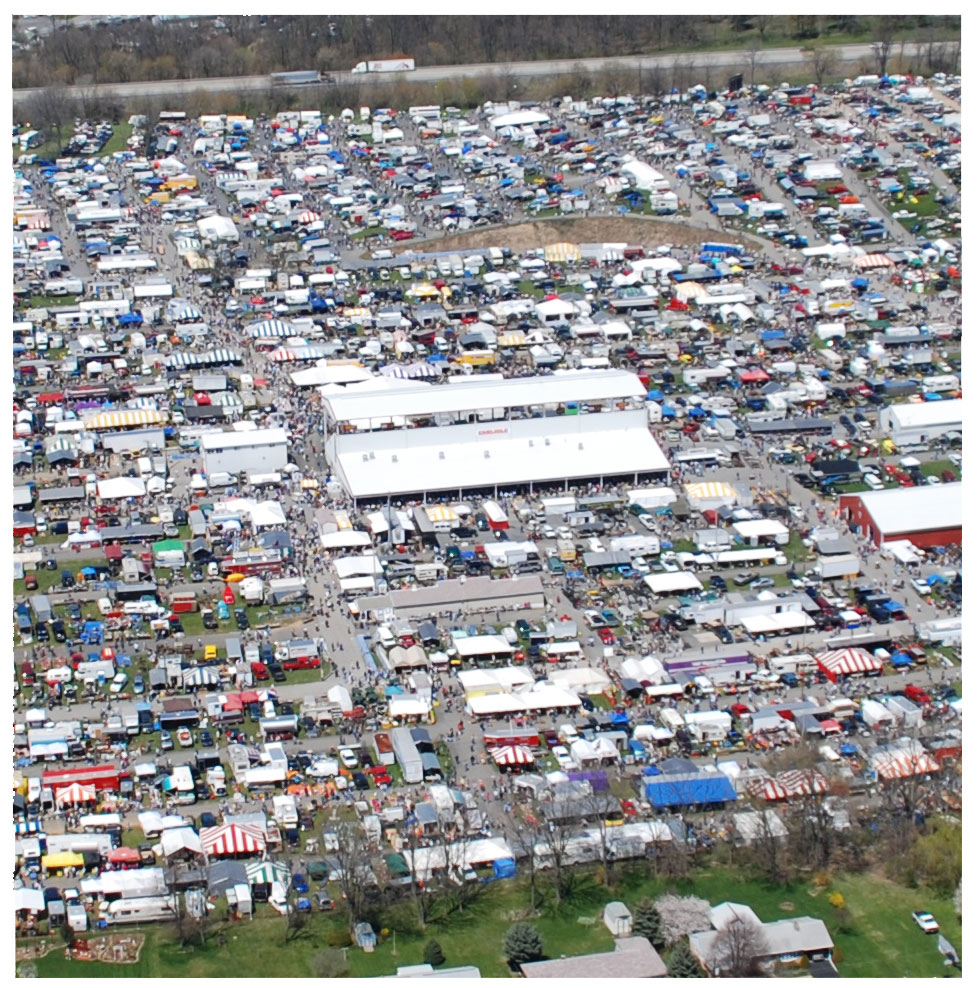 Some of the best-attended and most heralded automotive swap meets are the Carlisle Events shows. Held on the 82-acre Carlisle, PA Fairgrounds, Spring Carlisle (April 21 - 25, 2021) and Fall Carlisle (Sept. 29-Oct.3, 2021) are among the largest automotive flea markets in the world and two of the best opportunities to get your hands on all things automotive. With 8,100 spaces of vendors selling a vast array of automotive parts, accessories, cars, collectibles and memorabilia, it's almost certain that you won't go home empty handed. Accompanied with the massive automotive flea market and car corral, is the Manufacturers Midway featuring the latest and greatest products and services. Across the street is the Carlisle Auctions, Collector Car Auction.
New to Carlisle this year is Auto Mania (January 15 - 17, 2021) at the Carlisle Expo Center. For more than 30 years, Auto Mania has been Pennsylvania’s largest indoor automotive Flea Market. Normally held in Allentown, PA, this year’s event is moving to the Carlisle Expo Center in Carlisle, PA for 2021 ONLY. The 150+ spaces showcase parts, services, new products, memorabilia items, tires, accessories, car care products, tools, vintage advertising, collectibles and much more.
<I> Visit www.CarlisleEvents.com for more on the automotive hobby.
Mike Blake, former editor of KIT CAR magazine, joined Carlisle Events as senior automotive journalist in 2004. He's been a "car guy" since the 1960s and has been writing professionally for about 30 years. </I>
-
2020 Honda CR-V: Refreshed Compact Crossover Adds safety Suite and Eliminates Engine Choice
Tuesday, Nov 24, 2020
Currently America’s second-best-selling Crossover/SUV in 2020, the Honda CR-V, which debuted in 1995 as a “Comfortable Runabout Vehicle,” or CR-V, …
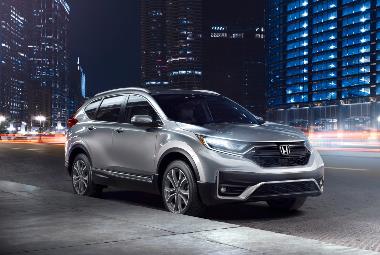
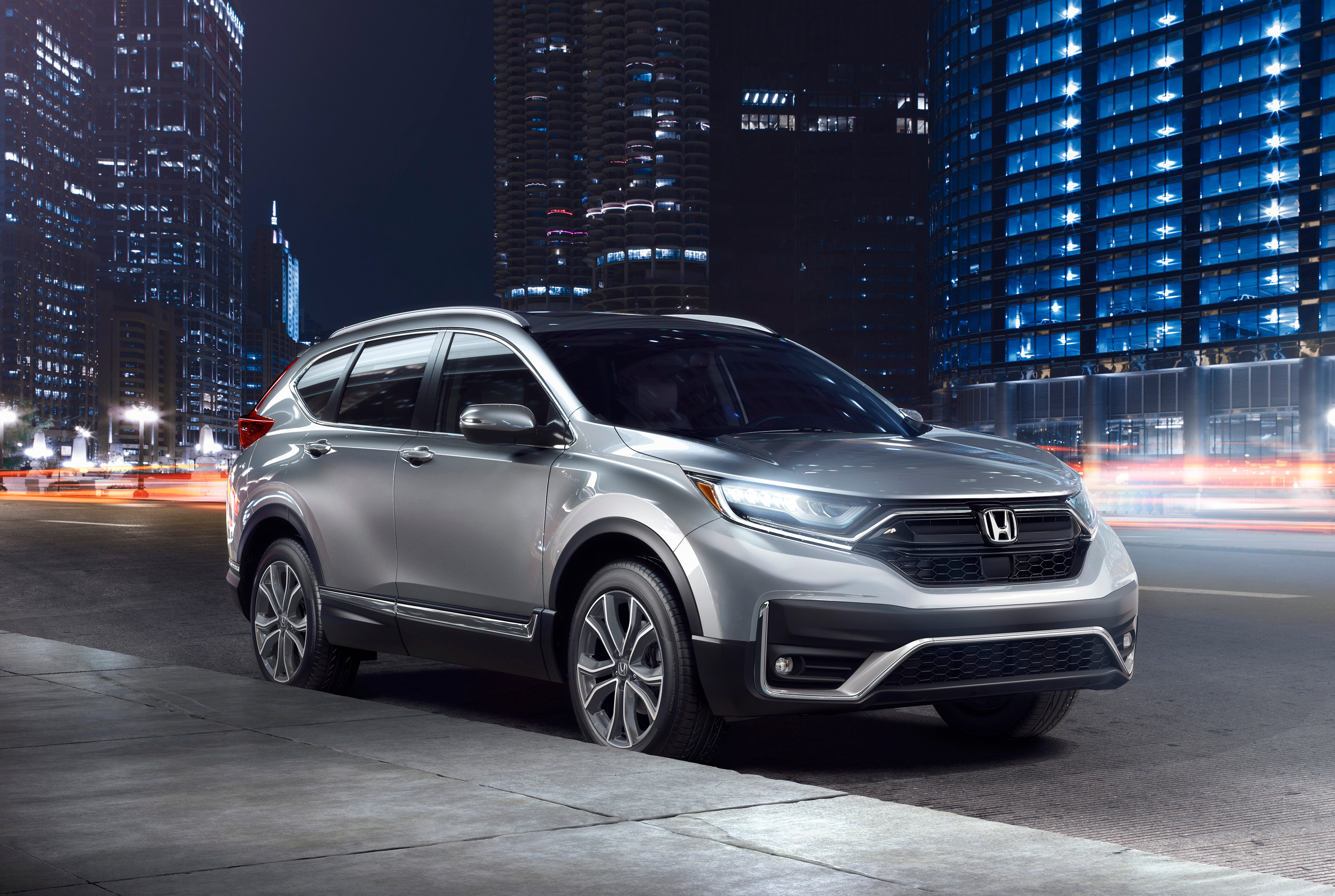
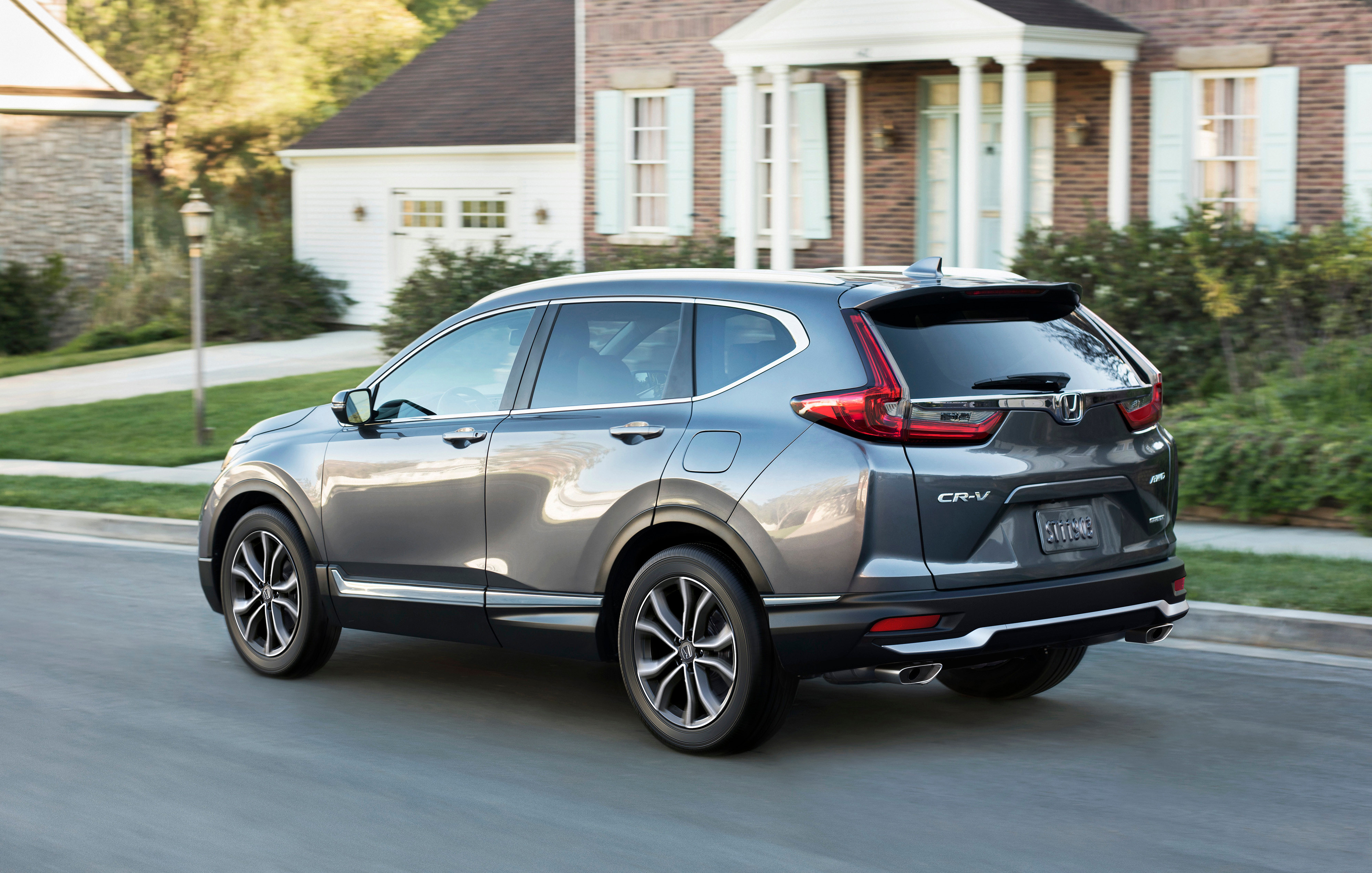
Show MoreCurrently America’s second-best-selling Crossover/SUV in 2020, the Honda CR-V, which debuted in 1995 as a “Comfortable Runabout Vehicle,” or CR-V, and evolved into an elegant and sporty crossover filled with state-of-the-art tech and entertainment, has built on its popularity and has refreshed this year with styling, power and safety modifications.
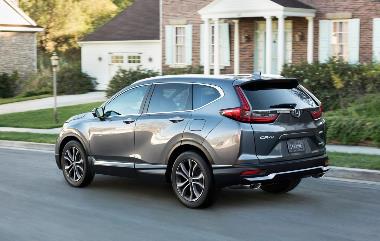
Last fully redesigned in 2017, CR-V jettisons last year’s 2.4-liter 4-cylinder engine and has promoted its once-optional 1.5-liter turbocharged four-cylinder as its only power choice. The refreshed 2020 Honda CR-V, also gets a redesigned front bumper, headlights, and a new blackout grille; EX and EX-L trims see new 18-inch wheels with a dark gray finish, while the Touring grades get new 19-inch wheels and tires. Additionally, three new exterior colors join the lineup for 2020: Radiant Red Metallic, Sonic Gray Pearl, and Aegean Blue Pearl.
On the safety end, all Honda CR-V trims now come standard with the Honda Sensing suite of advanced safety and driver-assistive technologies. Honda Sensing® includes Collision Mitigation Braking System™ with Forward Collision Warning and pedestrian sensing capability, Road Departure Mitigation with Lane Departure Warning, Adaptive Cruise Control with low-speed follow and Lane Keeping Assist. Additional driver-assistive technologies include the available blind spot information, Rear Cross Traffic Monitor and Auto High Beam headlights. CR-V also incorporates the latest generation of Honda's proprietary Advanced Compatibility Engineering™ body structure.
CR-V tweaks its popular design cues, refined demeanor and energetic character in a sporty package with broad new openings for the fog lights, dark-tinted taillight lenses, a dark chrome tailgate garnish and more darkly tinted rear glass. Its footprint gains 1.5 inches in length to 182.1 inches, remains 73.0 inches high and 66.5 inches wide, and keeps its 104.7-inch wheelbase for AWD. Curbweight for the EX trim I tested, was 3413 lbs. (about 60 lbs. lighter than last year), and other trims range from 3337 lbs. to 3569 lbs.
All gasoline-powered 2020 CR-Vs now feature a 1.5-liter turbocharged direct-injected powerplant rated at the same 190 horsepower and 179 lb.-ft. of torque it delivered as an option last year. The turbo delivers refined and responsive performance across the engine's full operating range. Available in front-wheel-drive or with Honda Real Time all-wheel drive, power transmits through a sporty continuously variable transmission (CVT) with smooth-shifting Honda G-Shift control logic.
CR-V’s power system limits towing capacity to 1,500 pounds, and in AWD, the 1.5 is EPA rated at 27mpg/city, 32mpg/highway and 29mpg/combined mpg. My test week in an AWD EX trim vehicle was mixed-use with in-town, highway and soft-road miles, for an average of 29.9 mpg.
In tests, CR-V’s acceleration was dependable and adequate in all ranges on the highway; and on the track, my CR-V was purposeful and steady, with a zero-to-60mph dash accomplished in 7.6 seconds, during a 16-second-flat quarter-mile (hand-timed). Handling was niche-solid and the riding experience was family-oriented – smooth and stable, with less road feel than in a driver’s vehicle. The MacPherson strut front suspension and multi-link rear, both with stabilizer bars, smoothed out rough surfaces. Steering was road responsive, but not auto-cross efficient, with some perceptible understeer, and acceptable top-wobble during quick hairpins.
Inside, all 2020 Honda CR-Vs get a redesigned center console that is easier to use, with more flexible storage options. In-vehicle technologies include a color TFT driver information interface center meter display, available 7-inch touchscreen Display Audio interface with Apple CarPlay® and Android Auto™ integration, and an available Honda Satellite-Linked Navigation System™. Additional available tech includes remote engine start, dual-zone climate control, an Electric Parking Brake, rear USB charging ports, front passenger seat with 4-way power adjustment and driver's seat with 8-way power adjustment and 4-way power lumbar support, and heated front seats.
The cabin remains sophisticated, quiet, comfortable and intuitively laid out. Interior accommodations remain the same as last year, and come in a bit low at 38.0 inches of front headroom and 39.1 in row two; legroom is 41.3 inches in front and 40.4 inches for the second row; and shoulder room measures 57.9 and 55.6 inches.
The 2020 Honda CR-V comes in four trim packages in both AWD and 2WD. The Base LX starts at $25,150 (an increase of $800 over last year) and the EX trim I tested starts at $27,660 (up $210) for the 2WD -- and you gain Honda Sensing™, Smart Entry and a 7-inch display audio touchscreen. EX-L starts at $30,150 (a gain of $400) adding leather inside, a power liftgate, power seats and auto-rearview mirror. The top-of-the-line Touring trim starts at $33,350 (an increase of $600) in 2WD and picks up a hand-free access power tailgate, full LED headlights, rain-sensing wipers and satellite-linked navigation. My EX in AWD (for $1500 more – $100 more than last year) based at $29,160. With a Sonic Gray Pearl exterior and a Black Cloth interior, my CR-V EX added Body side molding for $236, Door Visors for $193, a Gloss-Black front grille for $313, splash guards for $109, heated steering wheel for $523, and parking sensors for $538. With destination and handling fees of $1120, my sticker-as-tested was $31,652.
> Visit www.CarlisleEvents.com for more on the automotive hobby.
Mike Blake, former editor of KIT CAR magazine, joined Carlisle Events as senior automotive journalist in 2004. He's been a "car guy" since the 1960s and has been writing professionally for about 30 years. </I>
-
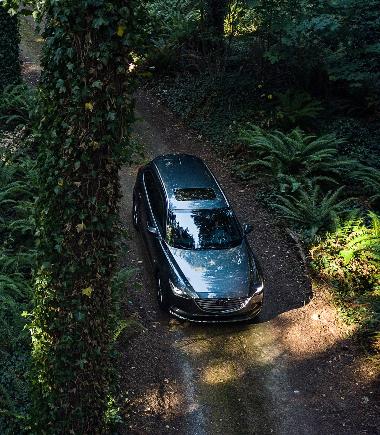
2020 Mazda CX-9: Focus on Safety, Comfort and Enhanced Performance
Tuesday, Nov 17, 2020
Mazda’s flagship midsize crossover SUV, the CX-9, has been an attractive, elegant three-row crossover since it debuted in 2006. Gaining a following …
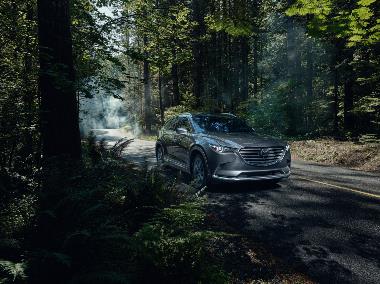
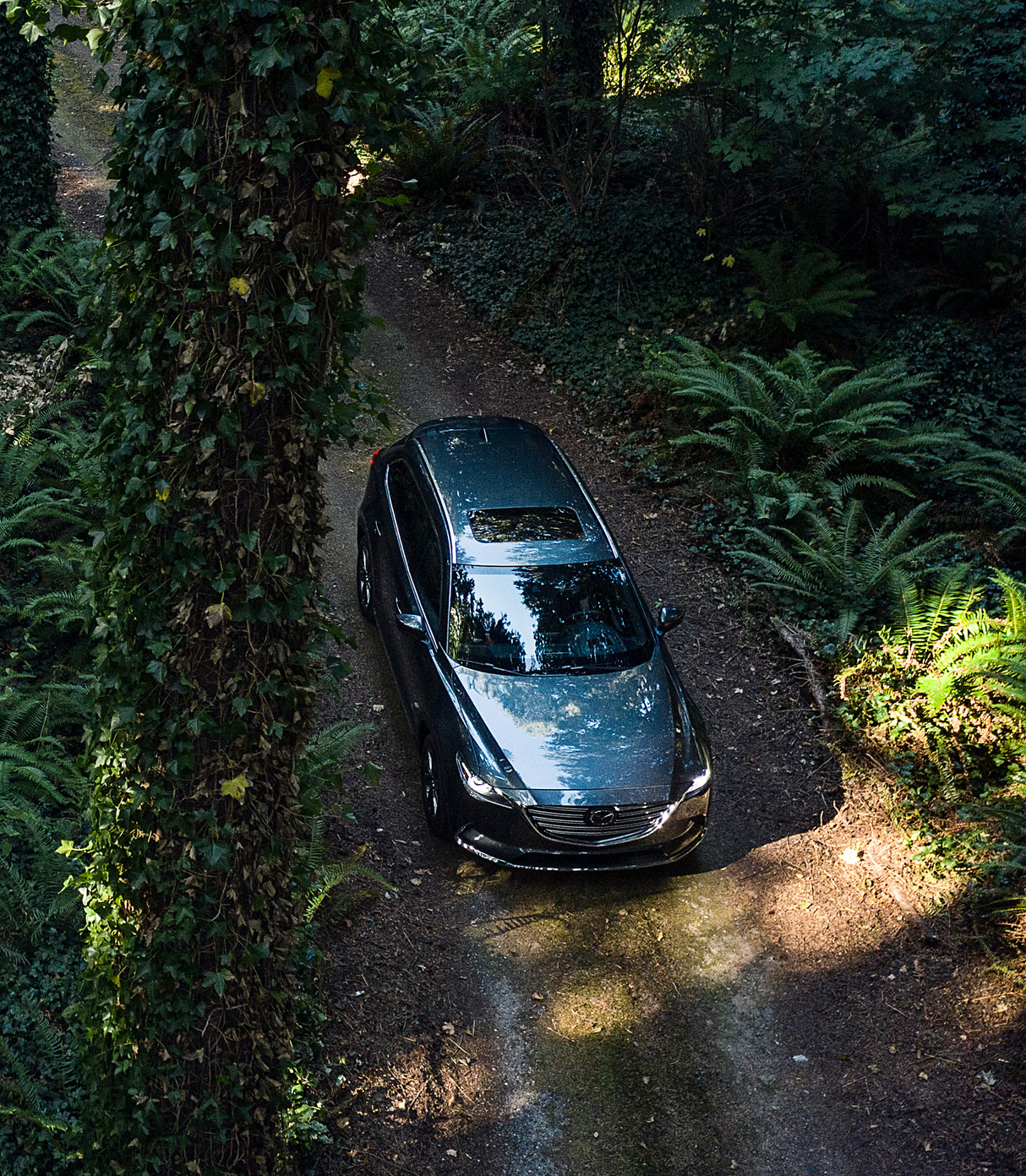
Show MoreMazda’s flagship midsize crossover SUV, the CX-9, has been an attractive, elegant three-row crossover since it debuted in 2006. Gaining a following for its refined interior and ride and its Euro-sculptured architecture, CX-9 received several 2020 updates that focused on elevating the premium Mazda ownership experience. The well-appointed interior extends a rich feeling to each of the three rows, creating a sense of sophistication for all occupants. Available all-new captain’s chairs help provide passengers a prestigious first-class cabin feel, a 9-inch multimedia screen helps create a premium infotainment environment, and the hands-free, power liftgate is another new prominent feature on CX-9 Grand Touring and Signature trim levels that offers refinement and ease when loading cargo.
Now in the fifth year of its second generation, Mazda has enhanced performance attributes for CX-9, adding 10 lb-ft of torque to its turbocharged Skyactiv-G 2.5T engine, delivering 320 lb-ft of torque on 93-octane gasoline (310 lb-ft of torque on 87-octane gasoline). Also new for 2020 are new standard active safety features that include adaptive cruise control with stop-and-go capability, forward collision warning with automatic emergency braking, lane departure warning and lane-keeping assist. A new off-road traction assist feature for all-wheel-drive versions uses the brakes to slow slipping wheels and send power to the wheels that have grip. Other new standard features include heated front cloth seats, a power-adjustable driver’s seat, rain-sensing windshield wipers, heated side mirrors and automatic headlights with high-beam control.
I tested the top-of-the-line Signature trim that attacks the premium niche with vigor. It is so loaded that my luxury test ride needed no options. New heated second-row captain’s chairs are standard for this top-trim level. Enhancing CX-9 Signature’s elegance is a second-row center console similar to the front row, with extra storage and convenient access to two USB charging ports and cupholders. The Signature trim also offers the option between Deep Chestnut and Parchment Nappa leather seating surfaces to match the Santos Rosewood interior trim. A new, darker silver wheel finish is unique to the CX-9 Signature, helping distinguish this top-tier trim level. CX-9 Signature is now available in the brand’s lustrous Soul Red Crystal premium exterior paint option and other premium features include a hand-stitched, leather-wrapped “chidori” steering wheel, rear exterior badging, LED grille accent lighting and supplemental interior lighting around the transmission shifter.
CX-9’s design concept embraces Mazda’s “Soul of Motion” style plan, through its proportion -- a long hood, swept greenhouse, large wheels and short overhangs that convey stability and a contained sense of potential energy. A true midsize three-row crossover, CX-9 measures 199.4 inches long, 77.2 inches wide and 67.6 inches high, with a 40.5-inch front overhang and 115.3-inch wheelbase. Ground clearance is 8.8 inches and curb-to-curb turning circle radius is 19.4 feet. My test CX-9 Signature was in AWD configuration and came in with a curbweight of 4308 pounds.
My Signature trim also added a Signature Badge, LED grill and overhead accent lighting, 20-inch aluminum-alloy wheels, automatic power folding side mirrors and power sliding-glass moonroof with sunshade.
CX-9’s powertrain added torque, but its 2.5-liter inline-4 turbo engine still delivers 227hp on regular (87-octane) unleaded fuel and 250hp with Premium (93-octane) gas. EPA-estimated at 20mpg/city, 26mpg/highway in AWD configuration (FWD is rated at 22/28), I averaged 24.0mpg in some heavy rains.
CX-9 is smooth and confident on the highway and around town, leveling out road imperfections while performing with speed and attentiveness. The power-assisted rack-and-pinion steering with engine-speed-sensing variable assist was responsive and accurate both at high speed and during autocross maneuvers, and even the understeer was entertaining and predictable. Acceleration was better than average for the niche, and turbo-lag was minimal. My test CX-9 reacted quickly when asked to pass at speed or to take on long uphill grades. At the track, we managed a 7.5-second zero-to-60mph dash and a 15.9-second hand-timed quarter-mile.
The CX-9 cabin is elegant, intuitive, loaded and comfortable, though not overly roomy. Front headroom is only 39.3 inches up front without a moonroof, 38.5 in row two and a child-friendly 35.4 inches in row three. Legroom is comfortable at 41.0 in front with 39.4 in row two and a confined 29.7 in row three, while shoulder room measures 57.9, 58.1 and 53.1.
The interior is filled with high-tech and comfort amenities, infotainment, safety and navigational (option) amenities, Bose® Centerpoint® Surround Sound System with AudioPilot® and 12 speakers, and my test Signature added Auburn Nappa leather seating and trim, heated second-row seats, genuine Santos Rosewood inlays and leather-wrapped steering wheel with unique stitching.
Available in four trim levels, FWD and AWD, the 2020 Mazda CX-9 starts at 33,890 for a front-wheel drive in the Sport trim – AWD starts at $35,790. Touring trim starts at $35,710 in FWD and 37,610 for AWD; the Grand Touring trim starts at $41,550 (FWD) and $43,450 (AWD) and the top-of-the-model-line Signature starts at $46,215 available only in AWD.
My test CX-9 was a 2020 Signature AWD in Machine Gray Metallic (a standard color), with a Jet Black Mica interior and Second Row Captain’s Chairs. This loaded vehicle needed no additional options. With Destination charges of $1100, my 2020 Mazda CX-9 Signature as tested, stickered at $47,315.
<I> Visit www.CarlisleEvents.com for more on the automotive hobby.
Mike Blake, former editor of KIT CAR magazine, joined Carlisle Events as senior automotive journalist in 2004. He's been a "car guy" since the 1960s and has been writing professionally for about 30 years. </I>


Book with a preferred Hotel

Book online or call (800) 216-1876



.png?sfvrsn=8cce4cd8_2 "Parx Casino_Footer (125x125)")